
The Ageless Athlete Blueprint 5 Mobility Pillars Every Mom Needs for Long Term Vitality

New Year Health Kick-Start: The Smart Way to Understand Your Body and Transform Your Wellness in 2026 Introduction: Why 2026 Should Be the Year You Truly Understand Your Health Every New Year arrives with hope, motivation, and a fresh set of promises to ourselves. We pledge to eat better, move more, lose weight, gain strength, or simply feel healthier. Yet, despite the best intentions, many New Year fitness resolutions fade within weeks. Why? Because most people are still guessing what their body needs, instead of making informed, data-backed decisions. That’s where a New Year health kick-start becomes more than a slogan it becomes a strategy. In 2026, health is no longer about following generic advice or trending diets on social media. It’s about understanding your body at a deeper level, identifying what works specifically for you, and building habits that last. A full body health check-up, combined with expert health consultation and a customized diet plan, provides the clarity most people are missing. This article explores how you can kick-start your health journey in 2026 the smart way through personalized insights, professional guidance, and realistic nutrition planning designed for real life. — The Problem with Generic Health Advice Why “One-Size-Fits-All” Diets Don’t Work You’ve seen them everywhere diet plans promising fast results, detox teas claiming miracles, and workout routines guaranteed to “burn fat in 10 days.” While these approaches may work temporarily for some, they fail for most because they ignore individual differences. Everybody is unique. Factors like: Age Gender Hormonal balance Metabolism Lifestyle Stress levels Medical history all influence how your body responds to food, exercise, and recovery. A customized diet plan built on your health data is far more effective than copying what worked for someone else. What Does a New Year Health Kick-Start Really Mean? A true New Year health kick-start is not about extremes. It’s about starting with awareness. Instead of asking: · “Which diet should I follow?” · “Which workout burns the most calories?” You begin by asking: · “What does my body need right now?” · “What are my nutritional gaps?” · “Are there hidden health markers I should address?” This shift from guessing to knowing is what transforms your wellness journey. — Understanding the Role of a Full Body Health Check-Up in 2026 What Is a Full Body Health Check-Up? A full body health check-up 2026 is a comprehensive assessment of your internal health markers. It typically includes: Blood tests Vitamin and mineral levels Metabolic markers Thyroid function Blood sugar and cholesterol Liver and kidney health These tests reveal insights you cannot see or feel yet they play a massive role in energy levels, weight management, immunity, and long-term health. Why You Need Health Data Before Making Resolutions Many people start January with intense workouts or restrictive diets, unaware that: They may have iron or vitamin D deficiencies Their metabolism might be under stress Hormonal imbalances could be affecting weight loss A health check-up and diet plan based on real data prevents burnout and disappointment. It allows you to build a plan that supports your body instead of fighting it. Expert Health Consultation: Turning Reports into Real Understanding Why Test Results Alone Are Not Enough Receiving a health report without guidance can feel overwhelming. Numbers, abbreviations, and ranges don’t always explain what actions you should take. That’s where expert health consultation becomes essential. A one-on-one consultation helps you: Understand what each marker means Identify priority areas for improvement Avoid unnecessary panic or misinterpretation Create realistic, achievable health goals This human element is what bridges the gap between information and transformation. How Expert Guidance Improves Long-Term Results When an expert reviews your health data, they consider: Your lifestyle and daily routine Your food preferences and cultural habits Your fitness level and time availability This results in advice that is practical, sustainable, and aligned with your life not an idealized version of it. How Expert Guidance Improves Long-Term Results When an expert reviews your health data, they consider: Your lifestyle and daily routine Your food preferences and cultural habits Your fitness level and time availability This results in advice that is practical, sustainable, and aligned with your life not an idealized version of it. The Power of a Customized Diet Plan What Makes a Diet Truly Personalized? A customized diet plan is not just a calorie chart. It is a nutrition roadmap designed specifically for you. A truly personalized plan considers: Your health report findings Your weight and body composition goals Food preferences (vegetarian, non-vegetarian, etc.) Work schedule and family commitments Local food availability (especially important in India) This is why personalized nutrition plan India searches are rising people want solutions that fit their culture and lifestyle. Why Customized Nutrition Beats Trend Diets Trend diets often fail because they: Are hard to maintain Ignore nutrient deficiencies Create guilt around food Don’t adapt as your body changes A personalized plan evolves with you. As your health improves, your diet adjusts accordingly making it a long-term solution, not a temporary fix. Why Personalization Matters Across Life Stages Your health needs at 25 are different from your needs at 35 or 45. Pregnancy, parenthood, career stress, and aging all influence your body’s requirements. A New Year health kick-start based on real insights ensures your plan matches your current life stage not an outdated goal. Kick-Start Your Health Without Extreme Measures Small Changes, Big Impact Health transformation doesn’t require drastic steps. With the right guidance, small consistent actions can deliver powerful results. Examples include: Correcting vitamin deficiencies Adjusting meal timing Improving protein intake Supporting gut health These targeted changes often deliver more results than extreme dieting or overtraining. Kick-Start Your Health Without Extreme Measures Small Changes, Big Impact Health transformation doesn’t require drastic steps. With the right guidance, small consistent actions can deliver powerful results. Examples include: Correcting vitamin deficiencies Adjusting meal timing Improving protein intake Supporting gut health These targeted changes often deliver more results than extreme dieting or overtraining. Sustainable Habits vs Short-Term Motivation Motivation fades.
New Year Health Kick-Start: The Smart Way to Understand Your Body and Transform Your Wellness in 2026

New Year Health Kick-Start: The Smart Way to Understand Your Body and Transform Your Wellness in 2026 Introduction: Why 2026 Should Be the Year You Truly Understand Your Health Every New Year arrives with hope, motivation, and a fresh set of promises to ourselves. We pledge to eat better, move more, lose weight, gain strength, or simply feel healthier. Yet, despite the best intentions, many New Year fitness resolutions fade within weeks. Why? Because most people are still guessing what their body needs, instead of making informed, data-backed decisions. That’s where a New Year health kick-start becomes more than a slogan it becomes a strategy. In 2026, health is no longer about following generic advice or trending diets on social media. It’s about understanding your body at a deeper level, identifying what works specifically for you, and building habits that last. A full body health check-up, combined with expert health consultation and a customized diet plan, provides the clarity most people are missing. This article explores how you can kick-start your health journey in 2026 the smart way through personalized insights, professional guidance, and realistic nutrition planning designed for real life. — The Problem with Generic Health Advice Why “One-Size-Fits-All” Diets Don’t Work You’ve seen them everywhere diet plans promising fast results, detox teas claiming miracles, and workout routines guaranteed to “burn fat in 10 days.” While these approaches may work temporarily for some, they fail for most because they ignore individual differences. Everybody is unique. Factors like: Age Gender Hormonal balance Metabolism Lifestyle Stress levels Medical history all influence how your body responds to food, exercise, and recovery. A customized diet plan built on your health data is far more effective than copying what worked for someone else. What Does a New Year Health Kick-Start Really Mean? A true New Year health kick-start is not about extremes. It’s about starting with awareness. Instead of asking: · “Which diet should I follow?” · “Which workout burns the most calories?” You begin by asking: · “What does my body need right now?” · “What are my nutritional gaps?” · “Are there hidden health markers I should address?” This shift from guessing to knowing is what transforms your wellness journey. — Understanding the Role of a Full Body Health Check-Up in 2026 What Is a Full Body Health Check-Up? A full body health check-up 2026 is a comprehensive assessment of your internal health markers. It typically includes: Blood tests Vitamin and mineral levels Metabolic markers Thyroid function Blood sugar and cholesterol Liver and kidney health These tests reveal insights you cannot see or feel yet they play a massive role in energy levels, weight management, immunity, and long-term health. Why You Need Health Data Before Making Resolutions Many people start January with intense workouts or restrictive diets, unaware that: They may have iron or vitamin D deficiencies Their metabolism might be under stress Hormonal imbalances could be affecting weight loss A health check-up and diet plan based on real data prevents burnout and disappointment. It allows you to build a plan that supports your body instead of fighting it. Expert Health Consultation: Turning Reports into Real Understanding Why Test Results Alone Are Not Enough Receiving a health report without guidance can feel overwhelming. Numbers, abbreviations, and ranges don’t always explain what actions you should take. That’s where expert health consultation becomes essential. A one-on-one consultation helps you: Understand what each marker means Identify priority areas for improvement Avoid unnecessary panic or misinterpretation Create realistic, achievable health goals This human element is what bridges the gap between information and transformation. How Expert Guidance Improves Long-Term Results When an expert reviews your health data, they consider: Your lifestyle and daily routine Your food preferences and cultural habits Your fitness level and time availability This results in advice that is practical, sustainable, and aligned with your life not an idealized version of it. How Expert Guidance Improves Long-Term Results When an expert reviews your health data, they consider: Your lifestyle and daily routine Your food preferences and cultural habits Your fitness level and time availability This results in advice that is practical, sustainable, and aligned with your life not an idealized version of it. The Power of a Customized Diet Plan What Makes a Diet Truly Personalized? A customized diet plan is not just a calorie chart. It is a nutrition roadmap designed specifically for you. A truly personalized plan considers: Your health report findings Your weight and body composition goals Food preferences (vegetarian, non-vegetarian, etc.) Work schedule and family commitments Local food availability (especially important in India) This is why personalized nutrition plan India searches are rising people want solutions that fit their culture and lifestyle. Why Customized Nutrition Beats Trend Diets Trend diets often fail because they: Are hard to maintain Ignore nutrient deficiencies Create guilt around food Don’t adapt as your body changes A personalized plan evolves with you. As your health improves, your diet adjusts accordingly making it a long-term solution, not a temporary fix. Why Personalization Matters Across Life Stages Your health needs at 25 are different from your needs at 35 or 45. Pregnancy, parenthood, career stress, and aging all influence your body’s requirements. A New Year health kick-start based on real insights ensures your plan matches your current life stage not an outdated goal. Kick-Start Your Health Without Extreme Measures Small Changes, Big Impact Health transformation doesn’t require drastic steps. With the right guidance, small consistent actions can deliver powerful results. Examples include: Correcting vitamin deficiencies Adjusting meal timing Improving protein intake Supporting gut health These targeted changes often deliver more results than extreme dieting or overtraining. Kick-Start Your Health Without Extreme Measures Small Changes, Big Impact Health transformation doesn’t require drastic steps. With the right guidance, small consistent actions can deliver powerful results. Examples include: Correcting vitamin deficiencies Adjusting meal timing Improving protein intake Supporting gut health These targeted changes often deliver more results than extreme dieting or overtraining. Sustainable Habits vs Short-Term Motivation Motivation fades.
Somatic Healing 101 How Moms Can Release Stress Stored in the Body

Somatic Healing 101: Why Your Body Holds Stress and How to Release It Motherhood is beautiful but let’s be honest, it’s also intense. From interrupted sleep to mental overload, many moms feel stressed even when their mind knows everything is okay. That’s because stress doesn’t just live in your thoughts it lives in your body. Welcome to somatic healing, one of the biggest wellness trends of 2026, and a powerful tool every mom should know about. What Is Somatic Healing? Somatic healing focuses on the connection between the body and the nervous system, rather than relying only on mindset work or talk therapy. The word somatic comes from the Greek word soma, meaning body. Instead of asking: “Why do I feel stressed?” Somatic wellness asks: “Where does my body feel unsafe, tense, or overloaded?” For moms, this approach is life-changing because much of our stress is stored physically, not mentally. Why Your Body Holds Stress (Especially as a mom) Your nervous system’s job is to keep you safe. When it senses danger emotional or physicality activates the fight, flight, or freeze response. As a mom, your body may interpret these as “threats”: Chronic lack of sleep Emotional labour and mental load Postpartum changes Constant multitasking Never fully “resting” Even when the moment passes, your body may stay stuck in survival mode, holding tension in places like: Jaw and neck Shoulders and upper back Hips and pelvic floor Stomach and chest This is why relaxing your mind alone doesn’t always work. Why Somatic Wellness Is a 2026 Trend In 2026, wellness is shifting from “think positive” to “feel safe in your body.” Research-backed somatic practices are gaining popularity because they: Support nervous system regulation Improve emotional resilience Reduce burnout and anxiety Help moms feel grounded faster than traditional methods For busy moms, somatic exercises work because they’re simple, quick, and body-based no extra mental effort required. Somatic Exercises for Stress Relief (Mom-Friendly & Simple) You don’t need an hour or special equipment. Try these gentle somatic practices anywhere. Physiological Sigh (Instant Calm) Best for: Overwhelm, anxiety, irritability How to do it: Inhale through your nose Take a second short sip of air Slowly exhale through the mouth Repeat 2–3 times This signals safety to your nervous system within seconds. Body Scanning for Nervous System Health Best for: Feeling disconnected or numb How to do it: Close your eyes Slowly scan your body from head to toe Notice sensations without judgment Gently breathe into tense areas Awareness alone helps release stored stress. Gentle Shaking (Somatic Release) Best for: Built-up tension and fatigue How to do it: Stand and lightly shake your arms, legs, and shoulders Breathe freely Continue for 30–60 seconds This mimics how animals release stress naturally. Grounding Through Touch Best for: Emotional regulation How to do it: Place one hand on your chest and one on your belly Apply gentle pressure Breathe slowly for 1–2 minutes This is especially helpful for overstimulated moms. Somatic Healing for Moms: Why It Works Unlike forcing calm, somatic healing: Works with your body, not against it Helps release stress you didn’t know you were holding Builds long-term nervous system resilience Fits into real mom life You don’t need to be perfectly calm you just need to feel safe enough. How to Start a Somatic Wellness Routine (Even with Kids Around) Start with 1–2 minutes a day Pair exercises with daily habits (after brushing teeth, before bed) Choose feeling better, not doing it “right” Remember: consistency beats intensity Your body has been protecting you it just needs permission to rest. Final Thoughts: Healing Doesn’t Have to Be Mental As moms, we often push through stress instead of releasing it. Somatic healing reminds us that our bodies are wise and when we listen, real healing happens. In 2026 and beyond, wellness isn’t about doing more. It’s about coming back into your body. Your nervous system deserves that care. 💛
Postpartum Fitness Guide: Safe Exercises for New Moms

Postpartum Fitness Guide: Safe Exercises for New Moms Postpartum Fitness Guide: Safe Exercises for New Moms Bringing a baby into the world is an incredible journey but it also places significant demands on your body. Whether you’re weeks or months postpartum, easing back into movement safely is essential for long-term health, strength, and confidence. This postpartum fitness guide is designed to support your post-baby fitness journey with gentle, effective exercises that promote healing, strength, and sustainable mom fitness recovery. Understanding Postpartum Recovery Before You Exercise Your body needs time to heal after pregnancy and delivery. Hormonal shifts, stretched abdominal muscles, pelvic floor changes, and fatigue all play a role in how and when you should exercise. Before starting any postpartum fitness routine, always: Get clearance from your healthcare provider Listen closely to your body Avoid pain, pressure, or leaking during movement Recovery isn’t about rushingit’s about rebuilding safely. Safe Exercises After Pregnancy: Where to Start Low-impact movement is the foundation of safe exercises after pregnancy. These activities improve circulation, reduce stiffness, and gently reintroduce strength. Best beginner-friendly options include: Walking (short, steady walks with or without a stroller) Gentle postpartum yoga for flexibility and stress relief Postnatal stretching to reduce back and hip tension Breathing-based mobility exercises These movements support healing without overwhelming your recovering body. Postpartum Core Strengthening & Diastasis Recti Exercises Your core isn’t just about absit includes deep muscles that support posture and stability. Postpartum core strengthening should focus on rebuilding from the inside out, especially if you’re dealing with abdominal separation. Effective diastasis recti exercises include: Deep diaphragmatic breathing Heel slides and bent-knee marches Modified dead bugs Standing core engagement exercises Avoid crunches and planks early on, as they can worsen separation. Pelvic Floor Exercises for Moms The pelvic floor plays a critical role in bladder control, posture, and overall strength. Targeted pelvic floor exercises for moms help prevent leaks and improve core stability. Key pelvic floor movements: Proper Kegels (lifting, not squeezing) Pelvic tilts Coordinated breath + pelvic floor engagement Functional exercises like sit-to-stand Consistency matters more than intensity. Belly Tightening After Pregnancy & Postpartum Weight Loss Postpartum weight loss and belly tightening after pregnancy happen gradually. There’s no quick fix but there is a healthy, sustainable path. Focus on: Gentle strength training Core and pelvic floor engagement Daily movement (even short sessions count) Adequate nutrition and hydration Remember: healing comes first, and weight loss follows when your body is ready. Staying Motivated on Your Post-Baby Fitness Journey Your post-baby fitness journey isn’t about “bouncing back “it’s about moving forward with strength and compassion. Tips for long-term success: Set realistic, flexible goals Celebrate small wins Choose workouts you enjoy Rest when your body asks for it Progress looks different for every mom and that’s perfectly okay. Final Thoughts on Mom Fitness Recovery A safe and effective postpartum fitness routine supports healing, confidence, and long-term well-being. By prioritizing proper core work, pelvic floor health, and gentle movement, you’re building a strong foundation for life beyond postpartum. Your body has done something extraordinary now it deserves patience, care, and support. 💖
The 10-Minute Exercise Snack: Micro-Workouts for Busy Moms

The 10-Minute “Exercise Snack”: Micro-Workouts for the Overwhelmed Mom Introduction: Why Women’s Nutritional Needs Are Unique Motherhood is beautiful, powerful, and deeply rewarding but let’s be honest, it’s also exhausting. Between school drop-offs, meal prep, work deadlines, laundry piles, and the emotional labour that never seems to end, finding an uninterrupted hour to work out can feel downright impossible. If you’ve ever told yourself, “I’ll start exercising when life slows down,” this blog is for you. Welcome to FITMOMCLUB, where we believe fitness should fit into your life, not compete with it. Today, we’re diving deep into a game-changing concept that’s helping busy moms everywhere reclaim their health without overwhelm: the 10-minute “exercise snack.” This isn’t about perfection, extreme routines, or pushing your body to burnout. It’s about small, intentional movement bursts that add up to real results physically, mentally, and emotionally. Let’s explore how micro-workouts for moms can transform the way you think about fitness, even on your busiest days. What Is an “Exercise Snack”? An exercise snack is a short burst of intentional movement typically 5 to 10 minutes performed throughout the day. Instead of one long workout session, you “snack” on movement whenever time allows. Think of it like nutrition: You don’t need one giant meal to fuel your body. You eat small portions consistently throughout the day. Fitness works the same way. Exercise snacks might include: A 10-minute bodyweight circuit A quick core session while dinner cooks Stair intervals between Zoom meetings A stretch + mobility flow before bed The goal isn’t exhaustion it’s consistency. B-Complex Vitamins: The Energy and Hormone Regulators The B-complex vitamins are water-soluble and essential for energy metabolism, nervous system health, hormone regulation, and red blood cell production. Women are particularly vulnerable to B-vitamin deficiencies due to stress, hormonal changes, and pregnancy. Vitamin B1 (Thiamine): For Nerves and Heart Health Vitamin B1 supports energy production, appetite, nerve signalling, and cardiovascular health. RDA: 1.1 mg/day Sources: Whole grains, legumes, nuts, pork, peas, asparagus, potatoes, fortified cereals Vitamin B2 (Riboflavin): For Blood and Bone Balance This vitamin helps maintain calcium balance, supports red blood cell formation, and prevents anemia. RDA: 1.1 mg/day Sources: Dairy products, eggs, lean meats, spinach, kale, broccoli, fortified grains Vitamin B3 (Niacin): For Energy and Heart Health Niacin is crucial for cellular energy production and supports nervous system and cardiovascular health. RDA: 14 mg/day Sources: Poultry, turkey, tuna, salmon, red meat, peanuts, mushrooms, fortified cereals Vitamin B5 (Pantothenic Acid): For Skin and Stress Support This vitamin supports adrenal function, skin health, and energy metabolism. RDA: 5 mg/day Sources: Eggs, milk, mushrooms, avocados, legumes, whole grains, peas, broccoli Vitamin B6 (Pyridoxine): For Hormones and Mood Vitamin B6 plays a key role in hormone regulation, red blood cell production, and neurotransmitter synthesis. RDA: 1.3 mg/day Sources: Bananas, potatoes, spinach, sunflower seeds, chicken, turkey, tuna, salmon Vitamin B7 (Biotin): For Hair, Skin, and Nails Often associated with beauty, biotin supports metabolism, nervous system function, and healthy hair and skin. RDA: 30 µg/day Sources: Egg yolks, almonds, walnuts, sunflower seeds, soybeans, whole grains, organ meats, bananas Vitamin B9 (Folate): Essential for Women of Reproductive Age Folate is critical for DNA synthesis, red blood cell formation, and fetal development. RDA: 400 µg/day Sources: Leafy greens, lentils, chickpeas, black beans, oranges, avocados, fortified cereals, beets Vitamin B12 (Cobalamin): For Nerves and Blood Health Vitamin B12 prevents anemia, supports nerve health, and boosts energy levels. RDA: 2.4 µg/day Sources: Fish, meat, dairy, eggs, fortified plant-based foods, shellfish Vitamin C: The Immunity and Skin Booster Vitamin C, also known as ascorbic acid, is a powerful antioxidant essential for tissue repair and immune defense. Benefits of Vitamin C for Women Strengthens the immune system Enhances iron absorption, reducing anemia risk Promotes healthy skin and collagen production Supports heart health Protects against oxidative stress RDA of Vitamin C for Adult Women 75 mg/day Best Food Sources Bell peppers, broccoli, Brussels sprouts, spinach, tomatoes, oranges, lemons, guava, papaya, berries, kiwi, cantaloupe Vitamin D: The Sunshine Vitamin for Strong Bones Vitamin D is a fat-soluble vitamin crucial for calcium absorption and bone health. Many women are deficient due to limited sun exposure. Why Women Need Vitamin D Maintains strong bones and teeth Supports muscle strength Promotes healthy pregnancy Reduces risk of autoimmune diseases, infections, and certain cancers Supports heart health RDA of Vitamin D 600 IU/day (15 µg) for adults 800 IU/day (20 µg) after age 70 Sources Fatty fish (salmon, sardines, mackerel), fortified dairy, egg yolks, and sunlight exposure Vitamin E: The Antioxidant Protector Vitamin E protects cells from oxidative damage and supports immune and reproductive health. Benefits for Women Promotes heart health Improves skin and hair health Reduces menstrual discomfort Strengthens immune response RDA 15 mg/day Sources Corn oil, cod-liver oil, hazelnuts, peanut butter, safflower oil, sunflower seeds, wheat germ Iron: Essential for Energy and Blood Health Women are at higher risk of iron deficiency due to menstruation, pregnancy, and childbirth. Why Iron Is Critical Supports oxygen transport in blood Prevents fatigue and hair loss Essential during pregnancy Enhances exercise performance RDA 18 mg/day Sources Red meat, poultry, seafood, beans, lentils, tofu, spinach, fortified cereals, pumpkin seeds Calcium: The Foundation of Bone Health Women have lower bone density than men, making calcium crucial throughout life. Benefits of Calcium Prevents osteoporosis Reduces PMS symptoms Supports heart rhythm and nerve function Helps with muscle contraction and blood clotting RDA 1000 mg/day 1200 mg/day for women over 50 Sources Milk, yogurt, cheese, kale, tofu, almonds, sesame seeds, broccoli, fish Magnesium: The Stress-Relief Mineral Magnesium supports over 300 enzymatic reactions in the body. Why Women Need Magnesium Reduces PMS and menopausal symptoms Improves sleep quality Supports blood sugar control Helps manage stress and anxiety RDA 310–320 mg/day Sources Dark chocolate, avocados, spinach, quinoa, nuts, seeds, leafy greens Zinc: The Hormonal Balance Mineral Zinc is essential for immunity, hormone production, and skin health. Benefits Supports immune defense Aids wound healing Regulates menstrual cycles Helps with acne and PCOS RDA 8 mg/day Sources Oysters, red meat, poultry, dairy, legumes, nuts, seeds, whole grains Iodine: The Thyroid Regulator Iodine is vital for thyroid hormone production, which controls metabolism and energy. Why It Matters Supports metabolism and weight management Improves energy levels and mood Maintains fertility and menstrual regularity RDA 150 µg/day Sources Iodized salt, seaweed, cod,
Vitamins Necessary for Women’s Health: A Complete Guide to Optimal Nutrition and Well-Being

Vitamins Necessary for Women’s Health: A Complete Guide to Optimal Nutrition and Well-Being Introduction: Why Women’s Nutritional Needs Are Unique Women’s bodies go through constant physiological changes from adolescence and menstruation to pregnancy, postpartum recovery, and menopause. Each life stage places different nutritional demands on the body. Unfortunately, modern lifestyles, stress, poor dietary habits, and processed foods often lead to nutrient deficiencies and hormonal imbalances, which can silently affect energy levels, immunity, skin health, mental clarity, and reproductive wellness. This is where vitamins and minerals necessary for women’s health play a critical role. These micronutrients support everything from bone strength and blood formation to hormone regulation, fertility, heart health, and immunity. Unlike macronutrients such as carbohydrates or protein, vitamins and minerals are needed in smaller amounts, but their impact is enormous. In this comprehensive guide, we’ll explore the most important vitamins for women’s health, including Vitamin A, B-complex vitamins, Vitamin C, D, and E, along with essential minerals like Iron, Calcium, Magnesium, Zinc, Iodine, and Omega-3 fatty acids. You’ll learn what each nutrient does, why women need it, recommended daily allowances (RDA), and the best food sources to include in your diet. Vitamin A: The Beauty and Immunity Vitamin Vitamin A is a fat-soluble vitamin often referred to as the “beauty vitamin”, but its benefits go far beyond glowing skin. It plays a vital role in vision, immune defense, reproductive health, and cellular growth. Why Vitamin A Is Essential for Women Women need adequate Vitamin A to support: Eye health, especially night vision Reproductive health and fertility Bone development and strength Immune system function, helping the body fight infections Cancer prevention, due to its role in cell differentiation A deficiency in Vitamin A may lead to dry skin, frequent infections, poor wound healing, and vision problems. RDA of Vitamin A for Adult Women 700 µg per day Best Food Sources of Vitamin A Plant-based (beta-carotene): Carrots, sweet potatoes, pumpkin, spinach, kale, collard greens, mango, papaya, guava Animal-based (retinol): Liver, cod liver oil, egg yolks, fish, dairy products, beef, chicken B-Complex Vitamins: The Energy and Hormone Regulators The B-complex vitamins are water-soluble and essential for energy metabolism, nervous system health, hormone regulation, and red blood cell production. Women are particularly vulnerable to B-vitamin deficiencies due to stress, hormonal changes, and pregnancy. Vitamin B1 (Thiamine): For Nerves and Heart Health Vitamin B1 supports energy production, appetite, nerve signalling, and cardiovascular health. RDA: 1.1 mg/day Sources: Whole grains, legumes, nuts, pork, peas, asparagus, potatoes, fortified cereals Vitamin B2 (Riboflavin): For Blood and Bone Balance This vitamin helps maintain calcium balance, supports red blood cell formation, and prevents anemia. RDA: 1.1 mg/day Sources: Dairy products, eggs, lean meats, spinach, kale, broccoli, fortified grains Vitamin B3 (Niacin): For Energy and Heart Health Niacin is crucial for cellular energy production and supports nervous system and cardiovascular health. RDA: 14 mg/day Sources: Poultry, turkey, tuna, salmon, red meat, peanuts, mushrooms, fortified cereals Vitamin B5 (Pantothenic Acid): For Skin and Stress Support This vitamin supports adrenal function, skin health, and energy metabolism. RDA: 5 mg/day Sources: Eggs, milk, mushrooms, avocados, legumes, whole grains, peas, broccoli Vitamin B6 (Pyridoxine): For Hormones and Mood Vitamin B6 plays a key role in hormone regulation, red blood cell production, and neurotransmitter synthesis. RDA: 1.3 mg/day Sources: Bananas, potatoes, spinach, sunflower seeds, chicken, turkey, tuna, salmon Vitamin B7 (Biotin): For Hair, Skin, and Nails Often associated with beauty, biotin supports metabolism, nervous system function, and healthy hair and skin. RDA: 30 µg/day Sources: Egg yolks, almonds, walnuts, sunflower seeds, soybeans, whole grains, organ meats, bananas Vitamin B9 (Folate): Essential for Women of Reproductive Age Folate is critical for DNA synthesis, red blood cell formation, and fetal development. RDA: 400 µg/day Sources: Leafy greens, lentils, chickpeas, black beans, oranges, avocados, fortified cereals, beets Vitamin B12 (Cobalamin): For Nerves and Blood Health Vitamin B12 prevents anemia, supports nerve health, and boosts energy levels. RDA: 2.4 µg/day Sources: Fish, meat, dairy, eggs, fortified plant-based foods, shellfish Vitamin C: The Immunity and Skin Booster Vitamin C, also known as ascorbic acid, is a powerful antioxidant essential for tissue repair and immune defense. Benefits of Vitamin C for Women Strengthens the immune system Enhances iron absorption, reducing anemia risk Promotes healthy skin and collagen production Supports heart health Protects against oxidative stress RDA of Vitamin C for Adult Women 75 mg/day Best Food Sources Bell peppers, broccoli, Brussels sprouts, spinach, tomatoes, oranges, lemons, guava, papaya, berries, kiwi, cantaloupe Vitamin D: The Sunshine Vitamin for Strong Bones Vitamin D is a fat-soluble vitamin crucial for calcium absorption and bone health. Many women are deficient due to limited sun exposure. Why Women Need Vitamin D Maintains strong bones and teeth Supports muscle strength Promotes healthy pregnancy Reduces risk of autoimmune diseases, infections, and certain cancers Supports heart health RDA of Vitamin D 600 IU/day (15 µg) for adults 800 IU/day (20 µg) after age 70 Sources Fatty fish (salmon, sardines, mackerel), fortified dairy, egg yolks, and sunlight exposure Vitamin E: The Antioxidant Protector Vitamin E protects cells from oxidative damage and supports immune and reproductive health. Benefits for Women Promotes heart health Improves skin and hair health Reduces menstrual discomfort Strengthens immune response RDA 15 mg/day Sources Corn oil, cod-liver oil, hazelnuts, peanut butter, safflower oil, sunflower seeds, wheat germ Iron: Essential for Energy and Blood Health Women are at higher risk of iron deficiency due to menstruation, pregnancy, and childbirth. Why Iron Is Critical Supports oxygen transport in blood Prevents fatigue and hair loss Essential during pregnancy Enhances exercise performance RDA 18 mg/day Sources Red meat, poultry, seafood, beans, lentils, tofu, spinach, fortified cereals, pumpkin seeds Calcium: The Foundation of Bone Health Women have lower bone density than men, making calcium crucial throughout life. Benefits of Calcium Prevents osteoporosis Reduces PMS symptoms Supports heart rhythm and nerve function Helps with muscle contraction and blood clotting RDA 1000 mg/day 1200 mg/day for women over 50 Sources Milk, yogurt, cheese, kale, tofu, almonds, sesame seeds, broccoli, fish Magnesium: The Stress-Relief Mineral Magnesium supports over 300 enzymatic reactions in the body. Why Women Need Magnesium Reduces PMS and
Micronutrients Made Simple: Boost Energy, Immunity & Women’s Health
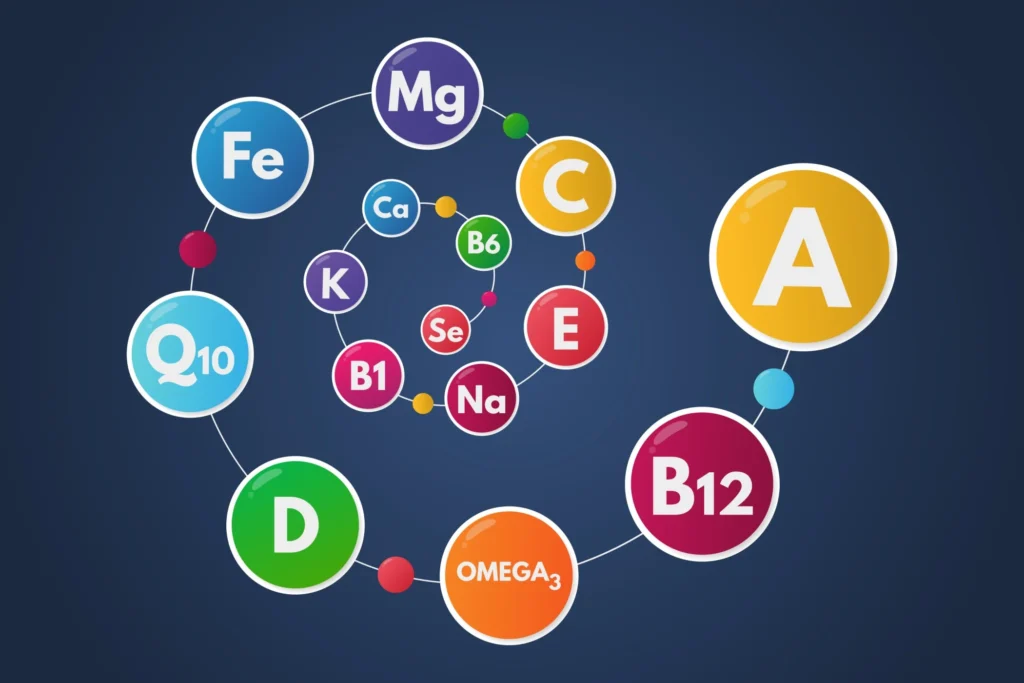
Micronutrients Made Simple: Boost Energy, Immunity & Women’s Health Author: Afrin Mohebi Feeling tired, run-down, or constantly catching cold seven when you think you’re eating “well”? You’re not alone. Many people focus on calories, carbs, or protein while overlooking the tiny but powerful nutrients that quietly keep the body functioning at its best. These are micronutrients, and although we only need them in small amounts, their impact on energy, immunity, hormones, mood, skin, and recovery is enormous. When someone says, “eat healthy,” what does that really mean? It’s not just about eating more or lessit’s about eating smarter. If your meals feel repetitive, your energy dips mid-day, or your recovery feels slower than it should, the missing piece might not be food quantity, but nutrient quality. In this comprehensive guide, we’ll break down what micronutrients are, why they matter so much for women’s health, how to spot early deficiency signs, and how 2026 nutrition trends, including AI-powered tools and personalized coaching, are changing the way we nourish our bodies. By the end, you’ll have practical, easy-to-understand insights to help you feel stronger, healthier, and more energized every single day. What Are Micronutrients and Why Do They Matter? Micronutrients are vitamins and minerals that the body needs in small amounts to carry out essential biological processes. Unlike macronutrients (carbohydrates, proteins, and fats), micronutrients don’t provide energy directly but without them, your body cannot produce energy efficiently. Think of macronutrients as fuel and micronutrients as the spark plugs and engine oil. Without them, the system simply doesn’t run well. Micronutrients support: Energy production Immune defence Hormone balance Brain and nerve function Skin, hair, and nail health Bone strength Muscle recovery Mood regulation Even mild deficiencies ones that don’t show up clearly in routine blood tests can cause fatigue, irritability, poor concentration, low immunity, and reduced performance over time. Why Micronutrient Needs Are Especially Important for Women Women’s bodies go through unique physiological stages menstruation, pregnancy, postpartum recovery, breastfeeding, perimenopause, and menopause. Each phase increases the demand for certain vitamins and minerals. For example: Monthly blood loss raises iron requirements Pregnancy increases needs for folate, iodine, iron, calcium, and B12 Hormonal shifts affect magnesium, vitamin D, and zinc Stress and sleep deprivation deplete B vitamins and vitamin C Add busy lifestyles, restrictive diets, food intolerances, or plant-based eating and deficiencies can sneak in quietly. Are You Missing Some Micronutrients? Ask Yourself These Questions Take a moment to reflect honestly: Do your meals feel repetitive, with the same foods every day? Are colourful fruits and vegetables missing from your plate? Do you rarely eat nuts, seeds, legumes, or whole grains? Are you pregnant, breastfeeding, training intensely, or entering perimenopause? Have you eliminated dairy, meat, or entire food groups? Do you feel tired often or recover slowly after exercise? Do you fall sick frequently or feel mentally foggy? If you answered yes to even one or two of these, your body may be signalling micronutrient gaps that deserve attention. Common Symptoms of Micronutrient Deficiency You Shouldn’t Ignore Micronutrient deficiencies don’t always show dramatic symptoms at first. Many signs are subtle and easy to dismiss as “stress” or “busy life.” Common warning signs include: Persistent fatigue or weakness Pale or dry skin Brittle nails or hair thinning Frequent colds or infections Slow wound healing Muscle cramps or twitching Tingling or numbness in hands and feet Mood swings or anxiety Poor focus or memory Digestive discomfort Listening to these early cues can prevent long-term health issues. Iron: The Energy and Oxygen Carrier Iron is essential for forming haemoglobin, the protein that carries oxygen in your blood. Without enough iron, oxygen delivery dropsand so does your energy. Why Iron Matters Supports energy production Prevents anemia Aids concentration and endurance Signs of Iron Deficiency Constant exhaustion Shortness of breath Pale skin Brittle nails Hair loss Cold hands and feet Women who menstruate, are pregnant, or follow plant-based diets are at higher risk. Vitamin D: The Sunshine Nutrient for Immunity and Bones Vitamin D plays a critical role in bone health, muscle strength, immune function, and mood regulation. Yet it’s one of the most common deficiencies worldwide. Why Vitamin D Is Essential Helps absorb calcium Strengthens immune defines Supports muscle function Influences mood and mental health Signs of Deficiency Bone or muscle pain Weakness Frequent illness Low mood or fatigue Limited sun exposure and indoor lifestyles make deficiency surprisingly common. Calcium: More Than Just Strong Bones Calcium is widely known for bone health, but it also supports nerve signalling, muscle contraction, and blood clotting. Why Calcium Matters Builds and maintains bones and teeth Supports heart rhythm Enables muscle movement Signs of Low Calcium Muscle cramps Tingling in fingers Weak or brittle bones Increased fracture risk Adequate calcium works best when paired with vitamin D. Vitamin B12: Brain, Nerves, and Energy Support Vitamin B12 is essential for nerve health, red blood cell formation, and DNA synthesis. Why B12 Is Important Prevents anemia Supports brain function Maintains nerve integrity Signs of B12 Deficiency Fatigue Numbness or tingling Balance issues Memory problems Mood changes Vegans, vegetarians, and older adults are especially vulnerable. Folate (Vitamin B9): Cell Growth and Pregnancy Health Folate is vital for cell division, red blood cell production, and DNA synthesis, especially during pregnancy. Why Folate Matters Supports fetal development Prevents anemia Promotes healthy cell growth Signs of Deficiency Extreme fatigue Pale skin Shortness of breath Pregnancy-related risks Adequate folate is crucial during childbearing years. Vitamin C: Immunity, Skin, and Healing Powerhouse Vitamin C is a powerful antioxidant that supports collagen production, iron absorption, and immune defense. Why Vitamin C Is Essential Boosts immunity Supports wound healing Keeps skin healthy Enhances iron absorption Signs of Low Vitamin C Frequent infections Bleeding gums Easy bruising Slow healing Vitamin A: Vision, Skin, and Immune Defense Vitamin A supports eye health, skin integrity, and immune function. Signs of Deficiency Night blindness Dry eyes or skin Frequent infections Zinc: Immunity and Recovery Mineral Zinc plays a role in immune response, wound healing, taste, and growth. Signs of Deficiency Frequent infections Hair loss Slow healing Reduced taste or appetite Iodine: The Thyroid Regulator Iodine is essential for thyroid hormone production, which controls metabolism. Signs of Deficiency Fatigue Feeling cold Weight changes Goiter Magnesium: Stress, Sleep, and Muscle Support Magnesium is involved in over 300 enzymatic reactions. Signs of Deficiency Muscle cramps Poor sleep Fatigue Irregular heartbeat Selenium: Antioxidant and Thyroid Support Selenium supports immune health and thyroid function. Signs of Deficiency Muscle weakness Increased oxidative stress Reduced immunity What’s New in 2026? The Rise of AI and Personalized
Eating with Your Biological Clock: Circadian Rhythm and Nutrition for Better Health

Eating with Your Biological Clock: Circadian Rhythm and Nutrition Author: Afrin Mohebi Have you ever noticed how some meals make you feel alert, focused, and energized, while others leave you feeling heavy, sluggish, or even sleepy? This isn’t just about what you eatit’s also about when you eat. The missing link for many people is their circadian rhythm, also known as the body’s biological clock. Your circadian rhythm silently governs everything from your sleep-wake cycle to hormone production, digestion, metabolism, and energy use. When you eat in harmony with this internal clock, your body knows exactly how to process nutrients efficiently. When you eat against it, even healthy foods may not work in your Favor. In this comprehensive guide, we’ll explore how circadian rhythm and nutrition are deeply connected, why meal timing matters more than you think, and how simple daily habits can help you eat smarter not harder. By the end, you’ll understand how aligning food with your biological clock can transform your energy, digestion, and long-term health. What Is the Circadian Rhythm? The circadian rhythm is your body’s natural 24-hour internal clock. It is primarily regulated by a master clock located in the brain, known as the suprachiasmatic nucleus (SCN), which responds to light and darkness. This master clock synchronizes with smaller clocks present in nearly every organ including your liver, pancreas, gut, and muscles. Together, these clocks regulate essential functions such as: Sleep–wake cycles Body temperature Hormone release Metabolism and digestion Energy production In simple terms, your body operates on a schedule. It expects food, activity, and rest at certain times. When those expectations are met, everything runs smoothly. How Nutrition Is Connected to Your Biological Clock Food is more than fuel it’s also a powerful time signal for your internal clocks. The timing of your meals tells your digestive system when to activate enzymes, release insulin, and absorb nutrients. When meals are eaten consistently and during daylight hours, your body is primed to: Digest food efficiently Regulate blood sugar smoothly Use energy effectively On the other hand, irregular eating patterns or late-night meals can confuse these internal clocks, leading to metabolic stress. In short: Meal timing helps set your body’s rhythm just as much as sleep and light exposure. Why Meal Timing Matters More Than You Think Your metabolism is not constant throughout the day. It follows a circadian pattern, functioning at its peak during daytime hours and slowing down at night. Here’s what happens: Morning: Insulin sensitivity is highest, making it easier to process carbohydrates. Afternoon: Digestion and energy utilization remain efficient. Evening/Night: Metabolism slows, insulin sensitivity drops, and digestion becomes less effective. Eating heavy meals late at night forces your body to work against its natural rhythm. Over time, this can contribute to blood sugar imbalance, fat storage, poor sleep, and low energy. Key Hormones That Link Circadian Rhythm and Nutrition Hormones act as messengers between your biological clock and your metabolism. Eating in sync with these hormonal patterns enhances digestion and appetite control. Cortisol – The Energy Starter Often called the “stress hormone,” cortisol peaks in the morning. It helps regulate blood sugar, blood pressure, and energy availability. Morning meals support cortisol’s role in fueling the body for the day ahead. Melatonin – The Sleep Signal Melatonin rises in the evening as darkness sets in. It slows gut movement and lowers insulin levels, preparing the body for rest. Late-night eating interferes with melatonin, disrupting both sleep and digestion. Insulin – The Blood Sugar Regulator Insulin sensitivity is highest earlier in the day. This means carbohydrates are processed more efficiently in the morning and afternoon compared to nighttime. Ghrelin – The Hunger Hormone Ghrelin increases before meals and helps regulate appetite. Irregular eating can confuse ghrelin signals, leading to cravings and overeating. Leptin – The Fullness Hormone Leptin signals satiety and helps regulate energy use. It rises mostly at night, supporting metabolic recovery. Poor sleep and late eating can impair leptin’s function. When you eat in alignment with these hormones, your body naturally balances hunger, energy, and metabolism. Your Gut Microbiome Also Runs on a Clock The trillions of bacteria living in your gut collectively known as the gut microbiome also follow a circadian rhythm. These microbes play a vital role in: Digestion Immune function Inflammation control Mood and brain health Regular meal timing supports a healthy microbial balance. In contrast, erratic eating patterns and nighttime snacking can disrupt gut bacteria, increasing inflammation and digestive discomfort. A synchronized gut microbiome means better nutrient absorption and overall well-being. What Happens When Your Circadian Rhythm Is Disrupted Modern lifestyles often clash with our biological clocks. Late nights, shift work, screen exposure, skipped meals, and irregular eating can all throw the circadian rhythm off balance. When this happens: Insulin becomes less effective Cortisol levels stay elevated Appetite signals become confused Fat storage increases Sleep quality declines Over time, circadian disruption is linked to weight gain, metabolic disorders, inflammation, and chronic disease risk. Simply put, when your internal clock is misaligned, your body struggles to manage nutrition efficiently. Time-Restricted Eating: A Powerful Chrono-Nutrition Strategy Time-restricted eating (TRE) is a practical approach to aligning food intake with your biological clock. It involves eating all meals within a consistent daily window typically 8 to 10 hours and fasting overnight. Why Time-Restricted Eating Works Matches eating with peak metabolic hours Improves insulin sensitivity Reduces inflammation Supports fat metabolism Gives the digestive system time to rest TRE is not about eating lessit’s about eating at the right time. Many people find it easier to maintain than traditional dieting because it works with the body, not against it. The Role of Light Exposure in Circadian Nutrition Light is the strongest external cue for setting your circadian rhythm. Morning sunlight resets your biological clock and improves daytime metabolism. Evening darkness promotes melatonin production, supporting digestion and sleep. Reducing screen exposure at night and getting natural light early in the day enhances both nutrient utilization and sleep quality two pillars of metabolic health. How Physical Activity Supports Your Body Clock Exercise doesn’t just strengthen muscles it reinforces your circadian rhythm. Morning workouts boost cortisol naturally and increase alertness. Daytime activity enhances insulin sensitivity and digestion. Light evening movement supports relaxation without disrupting sleep hormones. Consistency matters more than intensity. Regular movement paired with well-timed meals creates a positive cycle of energy, digestion, and hormonal balance. Best Foods to Eat at Different Times of the Day Aligning food choices with your biological clock can further enhance results. Morning Protein-rich foods Whole grains Fruits Healthy
9 Nutrition Mistakes Sabotaging Your Health | Science Backed Fixes

Nutrition Mistakes Sabotaging Your Health | Science Backed Fixes Good nutrition isn’t just about eating “healthy foods.” It’s about consistency, balance, and understanding what your body really needs. Many people unknowingly make small nutrition mistakes that can add up over time affecting energy, digestion, weight, and overall health. The good news? Most of these mistakes are easy to fix once you understand them. This article explores common nutrition errors backed by scientific insight from trusted sources such as the World Health Organization (WHO), American Dietetic Association (ADA), and India’s National Institute of Nutrition (NIN), along with practical tips you can start using today. 1. Skipping Meals Especially Breakfast Why It’s a Problem Skipping meals can slow metabolism, leading to fatigue and overeating later. It affects blood sugar stability especially concerning for people with diabetes or insulin resistance (ADA). Research shows that breakfast eaters tend to have better concentration and energy levels. How to Fix It Have a balanced breakfast with protein (eggs, tofu), healthy fats (nuts, seeds), and complex carbs (oats, millets). If you’re rushed, choose easy grabandgo options like fruit + yogurt, peanut butter toast, or a smoothie. 2. Overeating “Healthy Foods” Why It’s a Problem Nuts, dried fruits, and energy bars are nutritious but calorie dense. Even healthy fatsolive oil, avocadoadd up quickly. Excess calories, regardless of the source, can lead to weight gain (NIN). How to Fix It Practice mindful portion control. Use measuring spoons or small bowls until you learn correct quantities. Follow the “MyPlate” principle: 3. Not Eating Enough Protein Why It’s a Problem Many people (especially vegetarians) fall short of the recommended intake of 0.81.0 g/kg/day (WHO). Low protein leads to low satiety, constant hunger, hair fall, and weak immunity. How to Fix It Add a protein source to every meal: lentils, eggs, milk, paneer, tofu, chana, rajma, curd, quinoa. Include proteinrich snacks like roasted chana, nuts, seeds, or Greek yogurt. 4. Relying Too Much on Packaged “Health” Foods Why It’s a Problem Marketing terms like “whole grain,” “low fat,” or “natural” can be misleading. Many packaged “healthy” foods contain hidden sugars, sodium, and preservatives. “Lowfat” foods often have added sugar to improve taste (ADA). High consumption of processed food is linked with obesity and metabolic disorders. How to Fix It Read food labels check ingredients, sugar content, and serving size. Choose fresh, minimally processed foods whenever possible. Limit packaged snacks to occasional use, not daily consumption. 5. Drinking Calories Without Realising It Why It’s a Problem Fruit juices, milkshakes, coffees with cream, soft drinks, and energy drinks contribute excess sugar. WHO recommends limiting free sugar consumption to less than 10% of total daily calories. Liquid sugar spikes blood glucose rapidly and does not promote satiety. How to Fix It Replace juices with whole fruits. Choose plain water, infused water, coconut water, or buttermilk. For coffee/tea, minimise sugar and avoid whipped toppings or sweetened creamers. 6. Eating Too Fast Why It’s a Problem Eating quickly reduces mindful chewing, leading to overeating. Research suggests it takes about 20 minutes for the brain to register fullness. Fast eating is linked with indigestion, acidity, and poor portion control. How to Fix It Slow down: chew each bite 2025 times. Avoid eating while scrolling or watching TV. Put down your spoon between bites. 7. Not Drinking Enough Water Why It’s a Problem Mild dehydration can mimic hunger cues, leading to overeating (NIN). Low water intake increases the risk of constipation, headaches, and fatigue. How to Fix It Aim for 22.5 litres of water daily (more if active). Hydrate steadilynot only when thirsty. Use hydration reminders or carry a water bottle. 8. Eliminating Entire Food Groups Why It’s a Problem Cutting out food groups may lead to nutrient deficiencies (WHO). Restrictive diets cause frustration and are hard to sustain. Carbs are essential for energy; fats for hormones; dairy/grains for calcium and B vitamins. How to Fix It Follow balanced eating patterns. Choose whole, unprocessed carbs such as millets, oats, fruits, vegetables. Include healthy fats from nuts, seeds, avocado, olive oil. 9. Mindless Snacking Why It’s a Problem People snack while stressed, bored, or distracted. Packaged snacks are often high in sugar, salt, and trans fats. Snacking adds 300500 extra calories for many adults. How to Fix It Choose healthy snacks: fruits, roasted nuts, boiled chana, yogurt bowls. Plan snacks instead of eating whatever is available. Keep unhealthy snacks out of sight. Conclusion Nutrition doesn’t have to be complicatedbut it does require awareness. Most people don’t struggle due to lack of willpower, but due to small habits that unknowingly sabotage progress. By identifying these common nutrition mistakes and correcting them with simple, evidencebased strategies, you can build a healthier, more balanced lifestyle. Remember: food is not just fuel; it’s the foundation of your energy, immunity, mood, and longterm wellness. Start small, stay consistent, and listen to your bodyyour health will thank you! By Nivetha Ashokkumar FAQs [sp_easyaccordion id=”10440″] Loved the Post? Share It!
Seasonal Eating Guide for Families: Spring, Summer, Autumn & Winter Nutrition

Seasonal Eating for Families: A Complete Year-Round Nutrition Guide Eating with the seasons isn’t a trendy wellness buzzword it’s how humans have thrived for centuries. Long before supermarkets stocked strawberries in December, families naturally aligned their meals with what grew locally and seasonally. And guess what? Modern science is catching up. Seasonal eating supports better digestion, stronger immunity, balanced metabolism, and simpler meal planning especially for busy moms juggling work, kids, and life. When you eat foods grown in their natural season, they’re often more nutrient-dense, more affordable, and more flavourful. According to the World Health Organization, freshly harvested produce can retain significantly higher vitamin and antioxidant levels compared to foods stored or transported long distances. Translation? More nutrition with less effort. This long-form guide walks you through spring, summer, autumn, and winter seasonal eating, explaining: What foods shine in each season Why your body craves them Science-backed health benefits Practical meal-prep strategies Simple calls to action for real life Let’s dive in season by season. Why Seasonal Eating Matters More Than You Think Seasonal eating works with your body instead of against it. Here’s why it’s so powerful: Higher nutrient density: Produce harvested at peak ripeness contains more vitamins and antioxidants Improved digestion: Seasonal foods match your body’s digestive capacity in that climate Hormonal balance: Nature provides warming foods in cold months and cooling foods in hot months Budget-friendly: In-season foods cost less and taste better Environmental win: Less transport, less storage, lower carbon footprint In short, your body already knows what it needs seasonal food just listens. Spring – Seasonal Eating: Fresh, Light & Rejuvenating Spring is nature’s reset button. After winter’s heavier meals, your body naturally craves foods that are lighter, water-rich, and cleansing. Spring produce helps: Reduce bloating Support liver detox pathways Replenish micronutrients depleted over winter Research cited by the World Health Organization shows that locally harvested spring vegetables may retain up to 30% more vitamin C compared to long-stored produce. Best Spring Foods & Why They Matter Asparagus Signals the body to shed winter heaviness Supports detox and digestion Rich in folate, vitamin K, and iron Peas Sweet, crisp, and high in soluble fiber Help “reset” gut motility Provide plant protein and vitamin C Radishes Peppery compounds stimulate digestion Natural diuretic great for bloating High in vitamin C and potassium Strawberries Early antioxidant powerhouse Help counter winter oxidative stress Rich in anthocyanins and manganese Spinach & Leafy Greens Replenish iron and folate stores Support energy and blood health Scientific Insight: A 2023 review indexed on PubMed found that early-season leafy greens can contain up to 40% more folate than later harvests. Spring Meal-Prep Tips for Busy Moms Quick stir-fry: Asparagus + peas + radish, cooked 3–4 minutes Overnight oats: Greek yogurt, chia seeds, oats, strawberries Batch-blanch greens: Freeze for smoothies and soups Herb-infused water: Mint + cucumber for gentle detox Freezer pesto cubes: Instant flavor, zero stress These strategies save time while preserving nutrients win-win. Spring Health Benefits Backed by Science Metabolism boost: Protein-rich starts increase calorie burn during digestion Gut-brain support: Fiber feeds beneficial bacteria producing mood-supporting butyrate Immune resilience: Vitamin C enhances white blood cell function Hydration: Spring vegetables deliver up to 90% water by weight Summer – Seasonal Eating: Hydration & Cooling Summer nutrition is all about hydration, cooling, and simplicity. When temperatures rise, digestion weakens slightly, and the body prioritizes fluid balance. According to the American Dietetic Association, water-rich fruits and vegetables can provide up to 90% hydration by weight. Top Summer Foods That Beat the Heat Watermelon Natural electrolyte replenisher Rich in citrulline and lycopene Cucumber Mild diuretic, reduces bloating High in silica and potassium Tomatoes Lycopene becomes more bioavailable when cooked Supports heart and skin health Bell Peppers Vitamin C powerhouse Supports collagen and immunity Berries Fight oxidative stress Feed gut-friendly bacteria Fresh Herbs (Mint, Basil) Aid digestion Provide cooling effect without calories Summer-Friendly Meal Prep Ideas Hydrating smoothie: Watermelon + berries + mint Salad-in-a-jar: Cucumber, peppers, tomatoes, protein Grilled veggie packets: Minimal prep, maximum flavor Citrus herb water: Helps curb sugary drink cravings Frozen yogurt berry bites: Kid-approved, probiotic-rich Science-Backed Summer Benefits Electrolyte balance: Potassium prevents cramps Gut health: Berry fiber improves microbiome diversity Skin protection: Lycopene + beta-carotene reduce UV damage Metabolism: Mild spices increase calorie burn without overheating Autumn – Seasonal Eating: Warmth & Grounding As days shorten, your body naturally seeks warm, grounding foods. Autumn produce supports steady energy, immune resilience, and blood sugar balance. The National Institute of Nutrition reports that fall-harvested produce often contains higher levels of fat-soluble vitamins like beta-carotene. Best Autumn Foods for Comfort & Health Sweet potatoes: Complex carbs + vitamin A Butternut squash: Creamy, fiber-rich Carrots: Satisfy sweet cravings naturally Beets: Improve circulation Apples & pears: Stabilize blood sugar Kale & Swiss chard: Bone-strengthening vitamin K Warm spices: Cinnamon, nutmeg, clove boost metabolism Autumn Meal-Prep Made Easy Roasted veggie trays: Cook once, eat all week Apple-cinnamon overnight oats: Comfort without sugar crashes Soup batches: Freeze for busy nights Spiced nuts: Metabolism-friendly snacks Freezer stir-fry mixes: Instant nutrition Autumn Science Highlights Blood sugar control: Cinnamon improves insulin sensitivity Gut immunity: Fiber fuels beneficial bacteria Anti-inflammatory effects: Eugenol in spices eases joint discomfort Circulation: Beets increase nitric oxide production Winter – Seasonal Eating: Nourishment & Comfort Winter calls for deep nourishment. Cold weather increases calorie needs and immune demands. The World Health Organization notes that regular vitamin C intake can reduce cold duration by up to 20%. Frequently Asked Questions Busy Moms Ask Do I need supplements? No. Whole foods work beautifully. Supplements are optional, not required. What if I work out first thing in the morning? A small snack (banana, yogurt, or smoothie) helps but post-workout nutrition becomes even more important. Is it okay to eat late at night after workouts? Yes. Recovery matters more than the clock. Best Winter Foods for Immunity & Energy Brassicas: Cabbage, broccoli, cauliflower Citrus fruits: Mood-lifting vitamin C Pomegranate: Antioxidant-rich Nuts & seeds: Hormone-supporting fats Whole grains: Steady energy Warming spices: Ginger, cinnamon, clove Winter Comfort Cooking Tips One-pot stews: Minimal cleanup Citrus-glazed salmon: Immune + omega-3 boost Overnight oats with pomegranate: Fiber-rich breakfast Warm spiced milk: Supports sleep Energy balls: Easy snacks for kids Winter Health Benefits Explained Immune defense: Vitamin C boosts white blood cells Mood support: Polyphenols support serotonin production Hormonal balance: Magnesium regulates stress hormones Thermogenesis: Spices increase warmth naturally Sleep quality: Tryptophan supports melatonin synthesis Conclusion: Eat With the Seasons, Live with More Ease Seasonal eating isn’t restrictive it’s liberating. When you let nature guide your plate, meals become simpler, tastier, and more nourishing. By aligning your family’s diet with the seasons: Digestion improves Immunity strengthens Energy stabilizes Cooking stress decreases Start small. Pick one seasonal vegetable this week. Try one new recipe. Notice how your body responds. Nature already knows