
Is It Hormones or Burnout? What Moms in Their 30s–40s Need to Know

Is It Hormones or Burnout? What Moms in Their 30s–40s Need to Know Introduction: If you’re exhausted no matter how much you rest, you’re not imagining it. Hormonal changes and burnout often overlap for moms in their 30s–40s, making symptoms confusing. Many moms in their 30s and 40s feel constantly exhausted, emotionally drained, and disconnected from their old energy levels. The big question is often the same: Is this hormonal imbalance or am I just burnt out? The truth is, for many moms, it’s not one or the other. Hormonal changes and burnout often overlap, making symptoms confusing and frustrating. Understanding the difference is the first step toward real relief. Why This Feels So Common in Your 30s and 40s This stage of life brings multiple invisible stressors at once: Career pressure Parenting demands Mental load and emotional labor Sleep disruption Changing hormones Estrogen, progesterone, cortisol, and thyroid hormones all influence mood, energy, metabolism, and resilience. At the same time, chronic stress pushes the nervous system into survival mode. When both collide, moms feel “off” without a clear reason. Signs It May Be Hormonal Hormonal shifts don’t only happen during menopause. Perimenopause can begin in the late 30s and early 40s, and symptoms are often subtle at first. Common hormonal symptoms include: Unexplained weight gain Low energy despite rest Mood swings or anxiety Sleep disturbances Brain fog Changes in menstrual cycle Hormones affect how the body uses energy, handles stress, and recovers. When they fluctuate, everything feels harder. Signs It May Be Burnout Burnout is not just “being tired.” It’s a state of emotional and physical depletion caused by prolonged stress without recovery. Burnout symptoms often include: Feeling overwhelmed or numb Irritability and impatience Loss of motivation Trouble concentrating Feeling disconnected from yourself Exhaustion that rest doesn’t fix Burnout is especially common in moms who are always “on” and rarely have true downtime. Why Hormones and Burnout Often Overlap Here’s where things get tricky: chronic stress affects hormones, and hormonal imbalance makes stress harder to handle. High stress raises cortisol, which can: Disrupt sleep Affect thyroid function Interfere with estrogen and progesterone balance Slow metabolism This creates a loop where burnout worsens hormonal symptoms, and hormonal changes deepen burnout. Why Pushing Harder Makes Things Worse Many moms respond to feeling off by: Exercising more intensely Eating less Adding more caffeine Ignoring rest Unfortunately, this often backfires. Overtraining, under-eating, and constant stimulation increase stress hormones and deepen exhaustion. At this stage, the body doesn’t need more pressure it needs support. What Actually Helps Moms Feel Better Whether the root cause is hormones, burnout, or both, the solution is not extreme changes. It’s strategic care. Supportive habits include: Prioritizing sleep quality over perfection Eating balanced meals with enough protein and carbohydrates Choosing low-impact, consistent movement Creating boundaries around rest and mental load Reducing reliance on caffeine and sugar These habits help regulate both the nervous system and hormonal balance. How to Start Rebuilding Energy Instead of asking “What am I doing wrong?” try asking: What does my body need right now? Where can I reduce stress instead of adding effort? Small changes done consistently often restore energy faster than drastic plans. Conclusion If you’re a mom in your 30s or 40s feeling exhausted, overwhelmed, or disconnected, you’re not broken and you’re not alone. Hormones and burnout often overlap, and both deserve compassion, not self-blame. At FitMom Club, we believe feeling better starts with understanding your body, honoring your limits, and choosing supportive habits that fit real life. Clarity leads to balance and balance leads to healing.
Doing Everything Right but Still Not Losing Weight? A Mom’s Guide to Real Answers

Doing Everything Right but Still Not Losing Weight? A Mom’s Guide to Real Answers Introduction: Why Moms Are Not Losing Weight Even When Doing Everything Right Many moms eat clean, move regularly, and still feel stuck when the scale doesn’t change. If you’re doing everything “right” but not losing weight, the problem isn’t your effort it’s that most weight-loss advice ignores how motherhood affects the body. Weight loss for moms is not just about calories and workouts. Hormones, stress, sleep, and mental load play a much bigger role than we’re told. Why Weight Loss Feels Harder for Moms After pregnancy, childbirth, and years of juggling responsibilities, a woman’s body changes. Hormonal shifts, disrupted sleep, and chronic stress can slow metabolism and make fat loss feel impossible. Common reasons moms struggle with weight loss include: Elevated cortisol from stress Poor sleep quality Hormonal imbalances Undereating or over-restricting Overtraining with too little recovery These factors can stall progress even when diet and exercise look “perfect.” The Stress–Weight Connection No One Talks About Stress is one of the biggest hidden blockers of weight loss for moms. When stress levels stay high: Cortisol signals the body to hold fat Blood sugar regulation worsens Cravings increase Energy levels drop Many moms unknowingly live in a constant stress state, which tells the body it’s not safe to let go of weight no matter how healthy the habits look. Why Eating Less Isn’t Always the Answer One of the most common mistakes moms make is eating too little in hopes of faster weight loss. Chronic under-eating can: Slow metabolism Increase fatigue Disrupt hormones Trigger fat storage Your body needs enough fuel to feel safe, supported, and ready to release excess weight. Over-Exercising Can Backfire More workouts don’t always equal better results. High-intensity exercise combined with poor recovery can: Raise cortisol further Increase inflammation Lead to burnout Stall fat loss For many moms, less but smarter movement works better than pushing harder. What Actually Works for Moms Sustainable weight loss comes from supporting the body, not fighting it. Effective strategies include: Prioritizing sleep and recovery Managing daily stress levels Eating balanced meals with enough protein Choosing low-impact, consistent workouts Allowing flexibility instead of perfection When the body feels supported, weight loss becomes possible again. Progress Beyond the Scale The scale doesn’t always reflect real progress. Many moms see positive changes before weight loss shows up. Signs you’re moving in the right direction: Better energy levels Improved digestion Reduced cravings More strength and stamina Better mood and sleep These are powerful indicators that your body is healing and rebalancing. A Kinder Approach to Weight Loss Weight loss after motherhood is not about punishment or discipline it’s about alignment. When moms stop blaming themselves and start working with their bodies, results follow naturally and sustainably. Conclusion If you’re doing everything right but still not losing weight, you are not broken. Your body is responding to stress, hormones, and lifestyle demands that most weight-loss advice ignores. At FitMom Club, we believe weight loss should feel supportive, realistic, and sustainable. When moms focus on balance instead of pressure, real change finally happens.
Too Busy to Work Out? How Moms Build a Fitness Schedule That Sticks

Too Busy to Work Out? How Moms Build a Fitness Schedule That Sticks Introduction: Busy moms workout routines often fail not because of lack of effort, but because most plans don’t fit real life. When fitness adapts to a mom’s schedule, energy levels, responsibilities, and routines, consistency finally becomes possible. For many moms, the idea of following a fitness schedule feels unrealistic. Between family responsibilities, work, mental load, and exhaustion, exercise often falls to the bottom of the list. It’s not a lack of motivation it’s a lack of a system that fits real life. The good news is that moms who stay consistent don’t have more time. They use smarter, more flexible fitness schedules that work with their lifestyle instead of against it. Why Traditional Fitness Schedules Fail Moms Most workout plans are designed for people with predictable schedules and uninterrupted time. Moms rarely have either. Common reasons fitness plans fail include: Rigid workout times Long, exhausting sessions All-or-nothing thinking Guilt-driven motivation When workouts feel like another obligation, consistency disappears. Sustainable fitness starts with removing pressure. What a Fitness Schedule That “Sticks” Actually Looks Like Successful moms don’t aim for perfection. They aim for consistency with flexibility. A realistic fitness schedule: Allows short workouts Adjusts week to week Prioritizes energy, not intensity Fits around family life Even 15–20 minutes of movement counts when done consistently. The 3 Rules Moms Use to Stay Consistent 1. Time-Block Movement, Not Workouts Instead of scheduling a specific workout, moms block time for movement. This creates freedom to choose what feels doable that day. Examples: Stretching on low-energy days Walking or bodyweight workouts on busier days Strength training when energy is high 2. Attach Fitness to Existing Habits Habit stacking makes consistency easier. Linking exercise to something you already do removes decision fatigue. Simple habit stacks: Morning mobility after brushing teeth Walking after school drop-off Strength exercises while dinner cooks 3. Plan for Imperfect Weeks Life happens. Moms who stay consistent plan for disruption instead of quitting. This means: Having backup “minimum” workouts Accepting shorter sessions Letting go of missed days Progress comes from showing up repeatedly, not perfectly. Weekly Fitness Structure for Busy Moms A simple structure works best: 2 days strength training (20–30 minutes) 2–3 days light movement (walking, mobility, stretching) Daily movement breaks (5–10 minutes) This approach supports fat loss, energy, and mental health without burnout. Why Consistency Beats Intensity for Moms High-intensity workouts may deliver quick results, but they often increase fatigue and stress for busy moms. Consistent, moderate movement: Supports hormonal balance Improves mood and energy Reduces injury risk Builds long-term habits Fitness should support motherhood, not compete with it. Mindset Shifts That Make Fitness Sustainable The most important change happens mentally. Helpful mindset shifts: “Something is better than nothing” “My body needs movement, not punishment” “Consistency builds results” When fitness becomes supportive instead of demanding, it naturally sticks. Conclusion Being too busy to work out doesn’t mean fitness is impossible. It means the plan needs to change. Moms who succeed build flexible schedules that adapt to real life, energy levels, and responsibilities. At FitMom Club, we believe fitness should feel achievable, empowering, and sustainable. With the right structure, even the busiest moms can build a fitness routine that truly sticks.
The Gut-Brain Connection: Best Foods to Reduce Brain Fog & Mom Burnout

The Gut-Brain Connection: Foods That Fight Brain Fog and Mom Burnout Introduction: You don’t need intense workouts to build a healthy heart. Zone 2 walking offers a low-impact, sustainable path to long-term cardiovascular fitness. Many moms experience constant fatigue, mental fog, and emotional burnout without realizing that the root cause may lie in their gut. The gut-brain connection plays a powerful role in regulating mood, energy, focus, and stress — especially during the demanding seasons of motherhood. By nourishing the gut with the right foods, moms can support clearer thinking, improved emotional balance, and sustainable energy throughout the day. What Is the Gut-Brain Connection? The gut and brain communicate through a complex network known as the gut-brain axis. This system links the digestive tract with the central nervous system using nerves, hormones, and gut microbes. Nearly 90% of serotonin, the hormone responsible for mood and emotional stability, is produced in the gut. When gut health is compromised, it can lead to symptoms such as: Brain fog Low energy Anxiety or irritability Digestive discomfort Chronic stress and burnout For moms juggling multiple roles, supporting gut health becomes essential for mental clarity and resilience. How Poor Gut Health Contributes to Brain Fog and Burnout Highly processed foods, irregular meals, stress, poor sleep, and excess caffeine can disrupt the gut microbiome. This imbalance affects neurotransmitter production and increases inflammation, which directly impacts brain function. Common signs of gut-related burnout in moms include: Difficulty concentrating Forgetfulness Emotional exhaustion Cravings for sugar or caffeine Feeling overwhelmed even after rest Improving nutrition is one of the most effective ways to restore balance. Top Foods That Support the Gut-Brain Connection 1. Fermented Foods Foods like yogurt, kefir, curd, and fermented vegetables contain probiotics that strengthen the gut microbiome and support mood regulation. 2. Fiber-Rich Foods Whole grains, fruits, vegetables, and legumes feed beneficial gut bacteria, improving digestion and mental clarity. 3. Omega-3 Fatty Acids Found in nuts, seeds, and fatty fish, omega-3s reduce inflammation and support brain function, memory, and emotional stability. 4. Prebiotic Foods Garlic, onions, bananas, and oats act as fuel for good gut bacteria, enhancing neurotransmitter production. 5. Protein-Rich Foods Eggs, lentils, beans, and lean meats provide amino acids needed to produce dopamine and serotonin, improving focus and motivation. Hydration and the Gut-Brain Connection Dehydration can worsen brain fog and fatigue. Adequate water intake supports digestion, nutrient absorption, and blood flow to the brain. Simple hydration habits for moms: Start the day with a glass of water Limit excess caffeine Include water-rich foods like fruits and vegetables Simple Nutrition Habits for Busy Moms You don’t need a perfect diet to improve gut-brain health. Small, consistent changes make a big difference: Eat regular, balanced meals Add one gut-friendly food per day Reduce ultra-processed snacks Chew slowly and eat mindfully These habits help stabilize energy levels and reduce mental overload. Long-Term Benefits of Supporting Gut Health When moms prioritize gut-brain nutrition, they often experience: Improved focus and memory Better emotional regulation Reduced stress and anxiety Sustainable energy without crashes Improved digestion and immunity A healthy gut supports not just physical health, but emotional strength and mental resilience. Conclusion Mom burnout is not a personal failure it’s often a biological signal. The gut-brain connection reveals how deeply nutrition influences mental clarity, mood, and energy. By choosing foods that support gut health, moms can fight brain fog, restore balance, and feel more present and empowered in their daily lives. At FitMom Club, we believe that nourishing the gut is a powerful step toward nourishing the mind.
Zone 2 Walking: The Low-Impact Secret to Cardiovascular Longevity

Zone 2 Walking: The Low-Impact Secret to Cardiovascular Longevity Introduction: You don’t need intense workouts to build a healthy heart. Zone 2 walking offers a low-impact, sustainable path to long-term cardiovascular fitness. In a fitness world dominated by high-intensity workouts and extreme routines, one of the most effective tools for long-term heart health is surprisingly simple: Zone 2 walking. This low-impact, sustainable form of exercise is gaining attention for its powerful role in improving cardiovascular fitness, metabolic health, and overall longevity. Zone 2 walking isn’t about pushing harder it’s about moving smarter. By training at the right intensity, you can support your heart, lungs, and energy systems without stressing your body. . What Is Zone 2 Walking? Zone 2 refers to a specific heart-rate zone, typically 60–70% of your maximum heart rate. At this level, your body primarily uses fat for fuel while improving aerobic efficiency. A simple way to identify Zone 2: You can hold a conversation, but not sing Breathing is slightly elevated but controlled Effort feels sustainable for a long duration Unlike high-intensity workouts, Zone 2 walking focuses on endurance, efficiency, and recovery, making it accessible for people of all fitness levels. Why Zone 2 Walking Supports Cardiovascular Longe 1. Strengthens the Heart Muscle Zone 2 walking trains the heart to pump blood more efficiently. Over time, this lowers resting heart rate and improves circulation, reducing the risk of cardiovascular disease. 2. Improves Aerobic Capacity Regular Zone 2 training increases mitochondrial density the energy factories of your cells. More mitochondria mean better endurance, energy production, and long-term heart health. 3. Reduces Chronic Stress on the Body Unlike intense workouts that spike cortisol, Zone 2 walking keeps stress hormones balanced, supporting recovery and hormonal health Zone 2 Walking and Fat Metabolism” One of the most searched benefits of Zone 2 walking is fat burning. At this intensity: The body relies more on fat than carbohydrates Insulin sensitivity improves Metabolic flexibility increases This makes Zone 2 walking especially effective for people aiming to manage weight, improve blood sugar control, or support long-term metabolic health. Low-Impact Exercise, High-Impact Results Zone 2 walking is gentle on the joints while delivering powerful results. This makes it ideal for: Beginners starting a fitness routine Individuals recovering from injury Older adults focused on longevity Busy professionals seeking sustainable movement Because it’s low-impact, consistency becomes easier and consistency is the real driver of long-term health. Increasing cortisol (stress hormone) Disrupting sleep quality Reducing nutrient absorption Weakening immunity When the gut is supported, moms often report: Better stress tolerance Improved mood stability More consistent energy How to Start Zone 2 Walking Getting started is simple and requires minimal equipment. Steps to follow: Calculate your estimated maximum heart rate (220 – age) Aim for 60–70% of that number Walk at a pace where conversation is possible Maintain the pace for 30–60 minutes For best results, aim for 3–5 Zone 2 sessions per week. Zone 2 Walking vs High-Intensity Cardio High-intensity workouts have benefits, but relying on them alone can lead to burnout and injury. Zone 2 walking: Builds a strong aerobic base Enhances recovery between intense workouts Supports heart health without overtraining A balanced fitness routine includes both but Zone 2 is the foundation. Conclusion Zone 2 walking proves that you don’t need extreme workouts to achieve exceptional health. By moving at the right intensity, you can strengthen your heart, improve endurance, burn fat efficiently, and support lifelong wellness. At its core, Zone 2 walking is about sustainability, longevity, and consistency the true pillars of cardiovascular health.
Beyond “Mom Guilt”: Building a Community-Based Fitness Tribe

Beyond “Mom Guilt”: Building a Community-Based Fitness Tribe Motherhood is powerful, beautiful, and demanding, but in caring for everyone else, many mothers neglect their own physical and mental well-being. The result is burnout, isolation, declining health, and the familiar weight of “mom guilt” whenever self-care is prioritized. FITMOMCLUB exists to change that. Not as another fitness program, but as a community-driven wellness movement where connection matters as much as movement. Redefining “Mom Guilt” Mom guilt tells women that taking time for themselves is selfish. FitMom Club reframes fitness as an act of responsibility, not indulgence. When mothers take care of themselves, families thrive. The Hidden Loneliness of Motherhood Modern mothers are more connected digitally, yet lonelier than ever. Shrinking social circles and emotional isolation increase stress, anxiety, and long-term health risks. FitMom Club directly addresses this by creating spaces where women move, connect, and support each other. Why Community Matters for Health & Longevity Research shows strong social connections improve mental health, reduce stress, and increase lifespan. FitMom Club blends fitness with belonging, helping moms gain strength, friendships, and accountability together. What Makes FitMom ClubDifferent Community-first approach – workouts designed for interaction, not isolation Mother-centered design – realistic schedules and adaptable workouts Holistic wellness focus – mental and emotional support alongside physical health Fitness here is a lifestyle, not a short-term goal. More Than Exercise For mothers, fitness means energy, strength, stress relief, and reclaiming identity. FitMom Club meets women where they are postpartum, parenting toddlers, or raising teens with inclusive and judgment-free programs. The Power of a Wellness Tribe Consistency comes from support, not pressure. In FitMom Club, members experience motivation through shared goals, accountability without judgment, and celebration of small wins. Fitness becomes sustainable because it’s social. Breaking the All-or-Nothing Mindset FitMom Club replaces perfection with progress. Showing up imperfectly is celebrated, making long-term wellness achievable for real-life moms. Fitness for Life, Not Just Results By combining movement, connection, and emotional well-being, FitMom Club supports healthier aging, reduced stress, and lasting confidence. Conclusion: Beyond Fitness, Toward Belonging FitMom Club is redefining fitness for mothers moving beyond mom guilt toward strength, confidence, and community. In a world that asks mothers to give endlessly, FitMom Club reminds them: your health matters, and you don’t have to do it alone. This is fitness reimagined for life.
Weightlifting for Longevity Why Every Mom Needs a Strength Routine
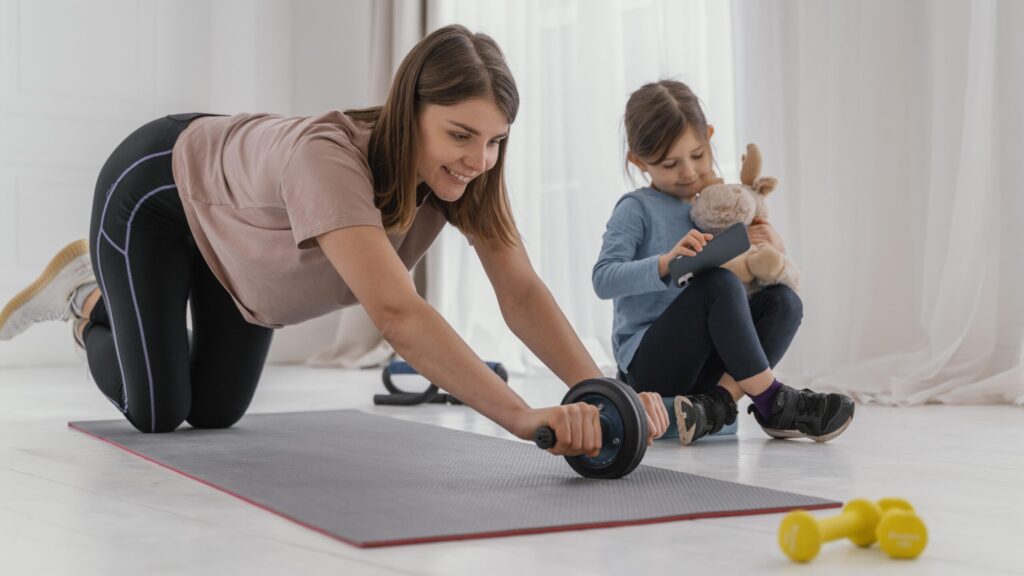
Weightlifting for Longevity Why Every Mom Needs a Strength Routine In 2026, fitness is no longer about chasing a smaller body it’s about building a stronger, longer-lasting one. For moms especially, the conversation has shifted from “getting back in shape” to staying powerful, energetic, and independent for decades to come. That’s where weightlifting for longevity takes center stage. At FITMOMCLUB, we believe strength is not optional it’s essential. Strength training for women, particularly moms, is now recognized as one of the most impactful tools for bone density, metabolic health, hormone balance, and overall longevity. And the best part? You don’t need to be an athlete or spend hours in the gym to benefit. This long-form guide will walk you through why weightlifting is the top fitness trend for 2026, how it directly supports longevity, and how moms of all fitness levels can safely and confidently build a strength routine that lasts a lifetime. 1. Why Longevity Fitness Matters More Than Ever for Moms Motherhood changes everything your schedule, your priorities, and yes, your body. But what often gets overlooked is how dramatically it changes your long-term health trajectory. After age 30, women naturally begin to lose: Muscle mass (sarcopenia) Bone density Metabolic efficiency For moms, these changes can accelerate due to pregnancy, postpartum recovery, sleep deprivation, and chronic stress. Longevity fitness focuses on slowing or reversing these declines, so you can stay strong not just now but at 50, 60, 70, and beyond. Weightlifting for moms isn’t about aesthetics. It’s about: Carrying groceries with ease at 65 Getting up off the floor without pain Preventing fractures and falls Keeping up with your kids and grandkids Longevity starts with strength. 2. Strength Training Dominance: The Top Fitness Trend for 2026 If 2020–2023 was dominated by HIIT and cardio obsession, 2026 belongs to resistance training. Experts now agree: strength training is the most effective form of exercise for long-term health. It outperforms steady-state cardio when it comes to: Bone density preservation Metabolic health Insulin sensitivity Hormonal balance Injury prevention For women, especially moms, this shift is revolutionary. No more punishment workouts. No more “burn it off” mentality. Instead, the focus is on building muscle as a protective organ. At FITMOMCLUB, we call this Strength Training Dominance and it’s here to stay. 3. The Science Behind Weightlifting for Longevity Let’s break down why weightlifting is such a powerful longevity tool. Muscle as the Organ of Longevity Muscle isn’t just for movement it’s metabolically active tissue that: Regulates blood sugar Improves insulin sensitivity Supports immune function More muscle = better metabolic health and reduced risk of: Type 2 diabetes Cardiovascular disease Obesity-related conditions Bone Density and Aging After 35, women can lose up to 1% of bone mass per year. Weightlifting applies mechanical load to bones, signaling them to stay strong and dense. This is especially critical for moms, as osteoporosis risk increases significantly after menopause. Resistance training is the most effective non-medical intervention for bone health. 4. Why Cardio Alone Is Not Enough for Moms Cardio has benefits but relying on it alone is a mistake many moms make. Excessive cardio without strength training can: Increase muscle loss Slow metabolism over time Elevate cortisol (stress hormone) Lead to burnout and fatigue Weightlifting for moms flips the script. It supports metabolism instead of draining it. It makes your body more efficient, resilient, and adaptable to stress. Think of cardio as a supplement but strength training as the foundation. 5. Metabolic Health: The Hidden Power of Strength Training for Women Metabolic health is one of the biggest predictors of longevity and moms are at higher risk of metabolic dysfunction due to: Hormonal shifts Pregnancy-related insulin resistance Chronic stress Sleep deprivation Strength training improves metabolic health by: Increasing resting metabolic rate Enhancing glucose uptake by muscles Reducing visceral fat This means your body becomes better at using food for fuel rather than storing it as fat. Over time, this leads to stable energy, improved mood, and easier weight management. 6. Weightlifting and Hormones: A Game Changer for Moms Hormonal balance is often the missing piece in women’s fitness. Strength training positively influences: Estrogen regulation Progesterone balance Cortisol management Growth hormone release For postpartum moms and perimenopausal women, this is critical. Weightlifting provides a hormone-friendly stimulus that supports recovery rather than depletes the body. Unlike extreme workouts, resistance training teaches your nervous system that your body is safe, capable, and strong. 7. Debunking Common Myths About Weightlifting for Moms Let’s clear the air. Myth 1: Weightlifting Makes Women Bulky Reality: Women don’t produce enough testosterone to bulk easily. Strength training creates toned, strong, athletic physiques. Myth 2: It’s Unsafe After Pregnancy Reality: When properly programmed, strength training supports pelvic floor health, core stability, and injury prevention. Myth 3: You Need Heavy Weights Reality: Progressive resistance matters more than heavy loads. Dumbbells, resistance bands, and bodyweight all work. 8. How to Start a Longevity-Focused Strength Routine A longevity-based strength routine is simple, sustainable, and effective. Key Principles 2–4 strength sessions per week Focus on compound movements Progressive overload over time Prioritize recovery and consistency Essential Movements Squats Deadlifts or hip hinges Push movements (push-ups, presses) Pull movements (rows, pull-downs) Core stabilization These movements mimic real-life activities making everyday tasks easier and safer. 9. FITMOMCLUB’s Approach to Weightlifting for Longevity At FITMOMCLUB, we design programs specifically for moms not fitness models. Our philosophy: Strength first, aesthetics second Sustainable routines over extremes Nervous-system-friendly training Long-term health over quick fixes We recognize that moms need workouts that fit real life, support recovery, and still deliver powerful results. This is weightlifting for longevity not burnout. 10. Mental Strength: The Overlooked Benefit of Resistance Training Strength training doesn’t just change your body it transforms your mindset. Moms who lift consistently report: Increased confidence Reduced anxiety and depression Improved body image Greater stress resilience There’s something profoundly empowering about realizing your body is capable not fragile. That mental resilience carries into parenting, work, and relationships. 11. Weightlifting Across the Decades: Training for Life One of the most powerful aspects of strength training is its adaptability. 30s: Build muscle and metabolic flexibility 40s: Preserve bone density and hormone balance 50s+: Maintain independence and mobility Strength training evolves with you. It meets you where you are and grows with you making it the ultimate lifelong fitness strategy. 12. Nutrition and Recovery: Supporting Strength Training for Longevity To get the most from your strength routine: Prioritize protein intake
Protein-First Meal Prep the Secret to Sustained Energy in 2026
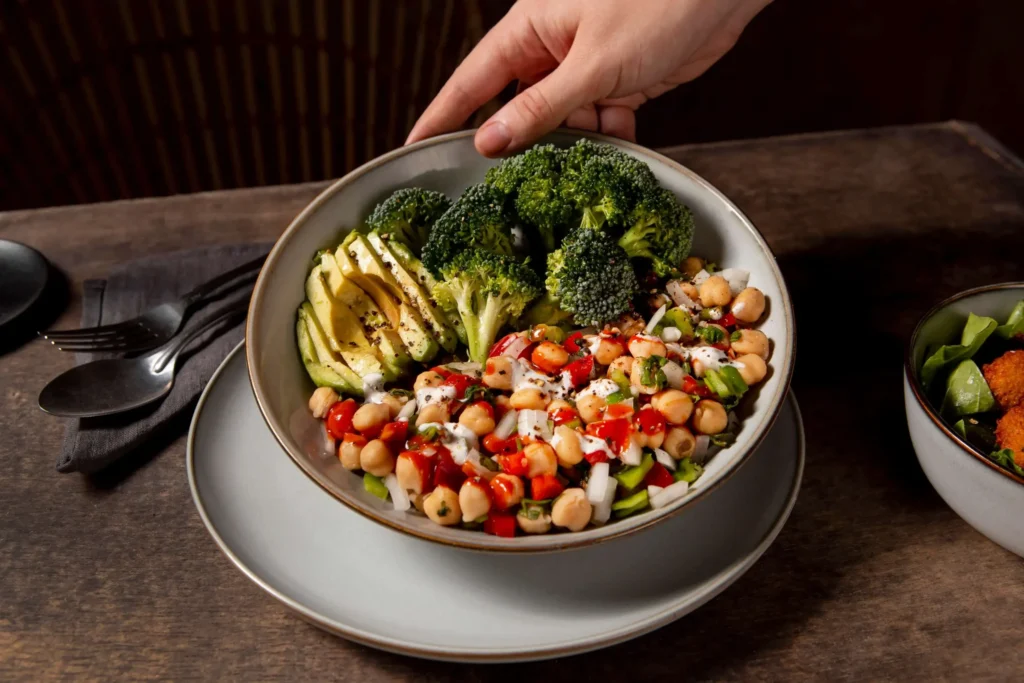
Protein-First Meal Prep the Secret to Sustained Energy in 2026 In 2026, nutrition is no longer about eating less it’s about fueling better. For modern moms juggling careers, workouts, kids, and personal goals, restrictive diets simply don’t work anymore. Enter protein-first meal prep, a functional nutrition approach that prioritizes high-quality protein as the foundation of every meal. This shift isn’t just another wellness trend it’s a science-backed strategy for sustained energy, improved metabolism, balanced hormones, and realistic weight management. Inside the FITMOMCLUB community, protein-first meal prep has become a cornerstone habit because it supports real life, not perfection. If you’ve ever felt exhausted by 3 p.m., stuck in snack cycles, or frustrated by diets that leave you hungry, this guide is for you. Let’s break down why protein-first meal prep works, how to do it efficiently, and how it supports functional nutrition for moms in 2026 and beyond. What Is Protein-First Meal Prep? Protein-first meal prep means planning and preparing meals by prioritizing protein before anything else before carbs, fats, or calories. Instead of asking, “What should I eat less of?” you start with: “Where is my protein coming from in this meal?” Once protein is in place, the rest of the meal naturally falls into balance. Key Principles of Protein-First Meal Prep Every meal and snack contains a clear protein source Protein portions are adequate, not minimal Meals are designed to support energy, not restriction Prep focuses on simplicity and sustainability This approach works especially well for moms because it: Reduces constant hunger Stabilizes blood sugar Prevents energy crashes Makes meal decisions easier Why Protein Is the Foundation of Functional Nutrition Functional nutrition focuses on how food supports your body’s systems, not just calories or macros. Protein plays a central role because it affects nearly every function in the body. Protein Supports: Muscle maintenance and metabolism Hormone production Neurotransmitters for focus and mood Immune health Blood sugar stability When protein intake is too low something extremely common among women fatigue, cravings, and stalled weight loss follow. In 2026, functional nutrition experts agree: adequate protein is non-negotiable, especially for active and busy moms. The Energy Crisis Moms Are Facing (And How Protein Fixes It) Many moms assume their exhaustion is just part of life. In reality, it’s often a fueling problem, not a motivation problem. Common Causes of Low Energy in Moms Skipping meals Carb-heavy breakfasts with little protein Grazing on low-protein snacks Undereating due to diet culture habits Protein-first meal prep directly addresses these issues. How Protein Sustains Energy Slows digestion, preventing crashes Reduces cortisol spikes Keeps blood sugar steady Improves satiety between meals Instead of relying on caffeine and willpower, protein provides real, lasting energy. Protein-First Meal Prep for Weight Loss (Without Restriction) One of the biggest myths about weight loss is that eating less equals results. Functional nutrition flips that script. Why Protein Supports Healthy Weight Loss Preserves lean muscle mass Increases thermic effect (you burn more calories digesting it) Reduces overeating naturally Improves insulin sensitivity Protein-first meal prep helps moms lose weight without tracking every calorie or cutting entire food groups. Inside FITMOMCLUB, members often report: Less snacking Fewer cravings More consistency Better results with less stress How Much Protein Do Moms Really Need in 2026? Forget outdated guidelines. Active and busy moms need more protein than previous generations were told. General Functional Nutrition Guidelines 20–35g protein per meal 10–20g protein per snack Spread evenly throughout the day This isn’t about bulking up it’s about supporting your metabolism, hormones, and recovery. Best High-Quality Protein Sources for Meal Prep Not all protein is created equal. Protein-first meal prep focuses on quality and digestibility. Animal-Based Protein Options Chicken breast or thighs Turkey Eggs and egg whites Greek yogurt Cottage cheese Salmon and tuna Lean beef Plant-Based Protein Options Lentils Chickpeas Tofu and tempeh Edamame Quinoa High-quality protein powders For many moms, a blend of animal and plant proteins works best. Protein-Rich Meal Prep Ideas for Busy Moms Protein-first doesn’t mean complicated. In fact, simplicity is the secret. High-Protein Breakfast Prep Egg muffin cups with veggies Greek yogurt + protein powder + berries Cottage cheese bowls with nuts Protein pancakes prepped in batches Protein-Packed Lunches Grilled chicken bowls Turkey lettuce wraps Salmon quinoa bowls Lentil and roasted veggie salads Easy High-Protein Dinners Sheet-pan chicken and vegetables Stir-fry with tofu or shrimp Slow cooker shredded beef Protein pasta with lean meat sauce Healthy Mom Snacks That Actually Keep You Full Snacking isn’t the problem low-protein snacks are. Protein-First Snack Ideas Hard-boiled eggs Greek yogurt cups Protein bars (minimal ingredients) Cottage cheese with fruit Protein smoothies Turkey roll-ups These snacks stabilize blood sugar and prevent the late-afternoon crash so many moms experience. How to Meal Prep Protein Without Burning Out Consistency beats perfection. Protein-first meal prep should feel supportive, not overwhelming. Simple Weekly Protein Prep System Choose 2–3 protein sources Batch cook once or twice per week Store in portioned containers Build meals around those proteins Even prepping just protein (and not full meals) saves time and decision fatigue Functional Nutrition vs Diet Culture: The 2026 Shift Diet culture focuses on: Restriction Control “Good” vs “bad” foods Functional nutrition focuses on: Fueling Nourishment Sustainability Protein-first meal prep sits at the center of this shift because it: Encourages eating enough Builds trust with food Supports long-term health This is why FITMOMCLUB emphasizes fueling for life, not shrinking for a season. Common Protein-First Meal Prep Mistakes to Avoid Even good strategies can fail when misunderstood. Mistakes to Watch For Relying only on protein shakes Eating protein only at dinner Undereating total calories Ignoring Fiber and micronutrients Protein comes first but balance still matters. Why Protein-First Meal Prep Is Perfect for FITMOMCLUB Moms FITMOMCLUB moms don’t have time for extremes. They need: Energy for workouts Focus for work Patience for parenting Confidence in their bodies Protein-first meal prep delivers all of that by: Simplifying nutrition Supporting metabolism Reducing mental load Creating consistency It’s not about being perfect it’s about being prepared. The Future of Nutrition: Why Protein-First Is Here to Stay As we move further into 2026, nutrition trends are becoming more practical, personalized, and science-based. Protein-first meal prep aligns perfectly with this evolution. We’re moving away from: Starvation-based diets Endless tracking All-or-nothing thinking And toward: Functional fueling Sustainable habits Strong, energized bodies Protein-first meal prep isn’t just a strategy it’s a lifestyle foundation. Conclusion: Fuel First, Thrive Always Protein-first meal
Cycle-Syncing Your Workouts: Training with Your Hormones, Not Against Them

Cycle-Syncing Your Workouts: Training with Your Hormones, Not Against Them Introduction: Why Women’s Fitness Needs a New Framework For decades, fitness advice has been largely one-size-fits-all, built around male physiology. Yet women’s bodies operate on a monthly hormonal rhythm, not a 24-hour cycle. Ignoring this reality has led many women to feel frustrated, exhausted, or even injured while following traditional workout programs. This is where cycle-syncing workouts come in. Instead of pushing your body to perform the same way every day, cycle syncing encourages you to train in harmony with your hormones, not against them. The result? Better energy, improved strength gains, faster recovery, and a healthier relationship with exercise. Welcome to Women’s Performance Health 2.0a smarter, physiology-specific approach to training that finally works with your body instead of fighting it. What Is Cycle-Syncing Workouts? Cycle syncing is a fitness and lifestyle approach that aligns workouts with the four phases of the menstrual cycle: Menstrual Phase Follicular Phase Ovulatory Phase Luteal Phase Each phase is driven by fluctuations in estrogen, progesterone, and testosterone, which directly influence energy levels, muscle recovery, coordination, metabolism, and motivation. By adjusting your workout type, intensity, and recovery based on these phases, you create a hormone-based fitness plan that supports female hormone health and sustainable performance. The Science Behind Hormone-Based Fitness Hormones are not just about reproduction they regulate nearly every system involved in exercise performance. Estrogen supports muscle repair, insulin sensitivity, and endurance Progesterone influences body temperature, recovery, and fatigue Testosterone (yes, women have it too) impacts strength and power Traditional training programs ignore these cyclical changes. Cycle-syncing workouts embrace them, allowing women to: Train harder when the body is primed for it Rest more when recovery is biologically needed Reduce burnout and overtraining Improve consistency and long-term results This approach represents a major shift toward female-specific training science. Understanding the Four Phases of the Menstrual Cycle Before diving into workouts, it’s essential to understand what’s happening hormonally in each phase. Menstrual Phase (Days 1–5) This phase begins on the first day of your period. Both estrogen and progesterone are at their lowest levels. How you may feel: Lower energy Increased need for rest Reduced motivation Heightened sensitivity This is not a time to “push through pain.” Instead, it’s a time for gentle movement and recovery. Menstrual Phase Workout Plan: Rest Is Productive During your period, your body is shedding the uterine lining and conserving energy. Exercise should support circulation, not depletion. Best workouts for this phase: Walking Gentle yoga Stretching Mobility work Light Pilates What to avoid: HIIT Heavy lifting Long endurance sessions Key focus: Rest, recovery, and nervous system regulation Remember, rest during this phase sets the foundation for stronger performance later in the cycle. Follicular Phase: Energy and Motivation Rise The follicular phase starts after your period ends and lasts until ovulation. Estrogen begins to rise, boosting energy, mood, and mental clarity. This is when many women feel inspired to start new projects and new workout routines. Follicular Phase Workouts: Build and Explore Your body is primed for learning, skill-building, and moderate intensity training. Best workouts: Strength training (moderate weights) Cardio intervals Dance workouts Trying new fitness classes Why it works: Rising estrogen improves muscle recovery and coordination, making this an ideal phase for progression. Key focus: Building momentum without overdoing it Ovulatory Phase: Peak Performance Window Ovulation is the shortest but most powerful phase. Estrogen and testosterone peak, creating a natural performance high. How you may feel: Confident Strong Social and motivated Explosive energy This is when your body can handle the highest training intensity. Ovulatory Phase Workouts: Go All In If there’s a time to push yourself, this is it. Best workouts: Heavy strength training HIIT Sprinting Cross-training Personal best attempts Benefits: Increased power output Faster muscle gains Improved athletic performance Important note: Because ligaments may be slightly more relaxed during ovulation, prioritize proper warm-ups and form. Luteal Phase: Slow Down to Sustain After ovulation, progesterone rises and estrogen declines. This phase is often misunderstood and unfairly labelled as “unproductive.” In reality, the luteal phase is about sustainability and strength maintenance. Luteal Phase Workout Plan: Support, Don’t Deplete Energy may feel steady at first and then gradually decline as the phase progresses. Best workouts: Steady-state cardio Low-impact strength training Barre Pilates Yoga Late luteal phase adjustments: Reduce intensity Increase rest days Focus on consistency over performance Key focus: Stress management and recovery Supporting your nervous system here can significantly reduce PMS symptoms. Cycle-Syncing Workouts and Female Hormone Health One of the most powerful benefits of cycle syncing is its impact on female hormone health. When women train against their cycle constant HIIT, calorie restriction, no rest it can lead to: Hormonal imbalances Missed or painful periods Chronic fatigue Elevated cortisol levels Cycle syncing helps regulate hormones by respecting the body’s natural rhythm, which is especially important for: Postpartum women Busy moms Women in perimenopause Women recovering from burnout Why FITMOMCLUB Supports Cycle-Syncing Fitness At FITMOMCLUB, the goal isn’t just weight loss or aestheticist’s sustainable performance and long-term health. Cycle-syncing workouts align perfectly with real women’s lives because they: Adapt to fluctuating energy levels Support busy schedules Reduce guilt around rest days Encourage body awareness This approach empowers women to train smarter, not harder. Common Myths About Cycle-Syncing Workouts “I’ll lose progress if I rest more” Rest is where adaptation and muscle growth happen. Strategic rest improves results. “This only works if you have a regular cycle” Even women with irregular cycles can benefit by tuning into energy patterns and symptoms. “It’s too complicated” Once you understand the phases, cycle syncing becomes intuitive not restrictive. How to Start Cycle-Syncing Your Workouts Today You don’t need a perfect plan to begin. Start with awareness. Step-by-step approach: Track your cycle for 1–2 months. Notice energy, strength, and mood patterns Adjust intensity not consistency Prioritize recovery without guilt Small changes can make a massive difference in how you feel and perform. Nutrition and Recovery: The Missing Piece Cycle-syncing workouts work best when paired with supportive nutrition and recovery. Examples: Increase iron-rich foods during menstruation Prioritize protein in follicular and ovulatory phases Support blood sugar and magnesium intake in the luteal phase Exercise is just one piece of women’s performance health 2.0recovery completes the puzzle. Cycle Syncing for Busy Moms and Real Life Life isn’t predictable and neither are hormones. Cycle syncing isn’t about perfection. It’s about flexibility and compassion. Some days you’ll push. Other days you’ll pause. Both are productive. This mindset shift alone can transform your fitness journey. The
Quiet Morning Ritual: 5 Somatic Practices for Nervous System Regulation

Quiet Morning Ritual: 5 Somatic Practices for Nervous System Regulation FITMOMCLUB: The “Quiet Morning” Ritual 5 Somatic Practices to Regulate Your Nervous System In today’s fast-paced world, calm has become a performance tool, especially for mothers juggling multiple roles. From managing households and careers to nurturing emotional well-being for their families, moms are under constant pressure. The result? Chronic stress, nervous system overload, and emotional burnout that often go unnoticed until exhaustion takes over. That’s where FITMOMCLUB’s “Quiet Morning” Ritual comes Ina gentle yet powerful approach rooted in somatic practices that help regulate your nervous system before the day even begins. This is not another rigid morning routine that demands perfection. Instead, it’s a restorative, body-based ritual designed to help mothers reconnect with themselves, cultivate calm, and move through the day with clarity and resilience. In this in-depth guide, we’ll explore why nervous system regulation matters, how somatic practices work, and how you can implement five simple, science-backed techniques to create a quiet, grounding morning ritual no matter how busy your life feels. Why Mothers Need Nervous System Regulation More Than Ever Motherhood is beautiful, but it’s also neurologically demanding. Constant decision-making, emotional labour, lack of sleep, and sensory overload keep many moms stuck in a chronic stress response. When your nervous system is dysregulated, you may experience: Persistent fatigue even after sleep Irritability or emotional reactivity Anxiety, brain fog, or overwhelm Difficulty focusing or feeling present A sense of being “on edge” all day Your body isn’t broken it’s responding exactly as it was designed to under prolonged stress. The key is learning how to signal safety to your nervous system, and that’s where somatic practices shine. Understanding the Nervous System: A Simple Explanation Your nervous system has two primary modes: Sympathetic (Fight or Flight): Activated during stress, urgency, or perceived danger Parasympathetic (Rest and Digest): Activated during safety, calm, and restoration Many moms wake up already in fight-or-flight mode, checking phones, rushing kids, and mentally racing through to-do lists. Over time, this becomes the default state. Somatic practices work directly with the body to gently guide your system back into balance without forcing relaxation or suppressing emotions. What Are Somatic Practices and Why Do They Work? Somatic practices are body-based techniques that focus on internal sensations rather than thoughts alone. Instead of “thinking your way calm,” you feel your way into regulation. They work because: The nervous system responds faster to physical cues than logic Gentle movement and breath activate the vague nerve Awareness of sensation builds emotional resilience The body releases stored stress gradually and safely For mothers, somatic rituals are especially effective because they are simple, intuitive, and adaptable no special equipment or long sessions required. The Power of a Quiet Morning Ritual A quiet morning ritual sets the tone for your entire day. Rather than reacting to stress, you begin from a place of grounded presence. Benefits include: Improved emotional regulation Greater patience with children Enhanced focus and productivity Reduced anxiety and overwhelm A deeper sense of self-connection Even 10–15 minutes can create a noticeable shift when practiced consistently. The FITMOMCLUB Quiet Morning Ritual: 5 Somatic Practices Let’s dive into the heart of the ritual five gentle practices designed specifically for mothers seeking calm, clarity, and nervous system balance. Grounded Breathing:SignallingSafety to the Body Breath is one of the fastest ways to influence your nervous system. How to Practice: Sit or stand comfortably with feet on the floor Place one hand on your chest, one on your belly Inhale slowly through your nose for 4 counts Exhale through your mouth for 6 counts Repeat for 2–3 minutes Why It Works: Longer exhales activate the parasympathetic nervous system, signalling safety and slowing the stress response. Pro Tip: Whisper the word “safe” or “calm” on each exhale to reinforce the signal. Gentle Morning Movement: Releasing Stored Tension You don’t need an intense workout first thing in the morning. In fact, slow, intuitive movement is often more regulating. Try This: Shoulder rolls Neck circles Gentle spinal twists Slow forward folds Move with your breath, not against it. Why It Works: Stress is stored in the muscles and fascia. Gentle movement releases tension without triggering cortisol spikes. Body Scanning: Reconnecting with Yourself Many moms spend the day disconnected from their own needs. A body scan brings awareness back home. How to Practice: Close your eyes or soften your gaze Start at the top of your head Slowly scan down your body Notice sensations without judgment Breathe into any area that feels tight Why It Works: Awareness alone can reduce nervous system activation and increase emotional regulation. Orienting to Safety: Training the Brain to Relax This practice teaches your nervous system that you are safe right now. How to Practice: Look around the room slowly Name 3 things you can see Listen for 2 soothing sounds Notice 1 physical sensation that feels neutral or pleasant Why It Works: Orienting interrupts anxiety loops and anchors you in the present moment. Self-Soothing Touch: The Language of Comfort Touch is a powerful regulator, especially for overstimulated nervous systems. Simple Options: Hand over heart Gentle arm stroking Light pressure on shoulders Holding a warm mug Why It Works: Self-touch releases oxytocin, the hormone associated with safety, bonding, and calm. How Long Should the Quiet Morning Ritual Take? This ritual is flexible by design. 5 minutes: Choose 1–2 practices 10 minutes: Combine breath + movement 15 minutes: Full ritual experience Consistency matters more than duration. Even small moments of regulation compound over time. Why Calm Is the New Performance Tool for Moms In a culture that glorifies hustle, calm is often misunderstood as weakness. In reality, regulated nervous systems perform better. Calm allows for: Better decision-making Emotional intelligence Increased creativity Sustainable energy Healthier relationships When mothers are regulated, families thrive. How FITMOMCLUB Supports Holistic Mental Wellness for Mothers FITMOMCLUB is rooted in the belief that mental wellness is embodied wellness. By integrating somatic practices into daily routines, mothers can reclaim their energy, confidence, and sense of self. This quiet morning ritual aligns perfectly with FITMOMCLUB’s philosophy: Strength without burnout Calm without guilt Presence without pressure Adapting the Ritual for Real-Life Motherhood Some mornings will be loud, rushed, and unpredictable and that’s okay. Try adapting by: Practicing while kids eat breakfast Breathing in the car before school drop-off Doing one movement while brushing teeth Placing a hand on your heart during transitions Regulation doesn’t require silence just intention. The Long-Term