
The Collagen Collapse: Why Moms Over 35 Are Losing It Faster Than They Think

The Collagen Collapse: Why Moms Over 35 Are Losing It Faster Than They Think You’ve survived sleepless nights, endless school runs, and backtoback Zoom calls on two hours of sleep. But there’s one thing quietly working against you that no one talks about: the dramatic drop in collagen that hits women hard after 35. This isn’t just about wrinkles. Collagen is the structural protein that holds your skin, joints, bones, and gut together and once it starts declining, you feel the effects everywhere. The good news? Once you understand what’s happening, you can actually do something about it. What Is Collagen And Why Does It Disappear? Collagen is the most abundant protein in the human body, making up roughly 30% of total protein. Think of it as the scaffolding that keeps everything firm and functional from your skin’s bounce to your knee cartilage to your digestive lining. Your body produces collagen naturally through fibroblast cells. But here’s the problem: production peaks in your early 20s and then slowly declines every year. After 35, that decline gains speed and for moms, several compounding factors make the loss even steeper. Why Moms Lose Collagen Faster Being a mom isn’t just emotionally demanding it’s biologically taxing in ways that quietly accelerate collagen breakdown: Pregnancy & postpartum hormonal shifts: Estrogen plays a key role in collagen synthesis. The hormone fluctuations during and after pregnancy directly reduce collagen production. Chronic sleep deprivation: Collagen is repaired and rebuilt during deep sleep. Interrupted sleep = interrupted repair. Chronic stress & elevated cortisol: High cortisol actively degrades existing collagen fibers. Nutritional gaps: Busy moms often undereat key collagen cofactors like vitamin C, zinc, and glycine. Perimenopause onset: For many women, hormonal shifts begin in the midtolate 30s years before the official menopause transition. The Warning Signs of Collagen Loss You Might Be Ignoring Collagen loss shows up as more than fine lines. Watch for these signals your body is sending: Skin that feels thinner, drier, or less “springy” when you press it Deeper nasolabial folds or hollowing around the eyes Achy joints, especially in the knees and hips Gut issues like bloating or increased sensitivity (collagen supports the gut lining) Slower wound healing or more visible veins on the hands Hair that snaps more easily or feels thinner at the temples ScienceBacked Ways to Rebuild and Protect Your Collagen Here’s the empowering part: collagen loss is not a done deal. With the right habits, you can meaningfully slow the breakdown and stimulate new production. Here’s what actually works: 1. Prioritize CollagenBoosting Nutrition Your body can’t make collagen without the right raw materials. Focus on: Vitamin C: The single most important collagen cofactor. Bell peppers, kiwi, citrus, and broccoli are top sources. Bone broth: Rich in glycine, proline, and hydroxyproline the amino acids that form collagen chains. Eggs and fatty fish: Provide lysine and omega3s that support skin structure and reduce inflammation. Zincrich foods: Pumpkin seeds, chickpeas, and cashews help activate collagenproducing enzymes. Consider Hydrolyzed Collagen Peptides Here’s the empowering part: collagen loss is not a done deal. With the right habits, you can meaningfully slow the breakdown and stimulate new production. Here’s what actually works: 1. Prioritize CollagenBoosting Nutrition Your body can’t make collagen without the right raw materials. Focus on: Vitamin C: The single most important collagen cofactor. Bell peppers, kiwi, citrus, and broccoli are top sources. Bone broth: Rich in glycine, proline, and hydroxyproline the amino acids that form collagen chains. Eggs and fatty fish: Provide lysine and omega3s that support skin structure and reduce inflammation. Zincrich foods: Pumpkin seeds, chickpeas, and cashews help activate collagenproducing enzymes. 2. Consider Hydrolyzed Collagen Peptides What the research says: Multiple clinical trials show that taking 2.510g of hydrolyzed collagen peptides daily improves skin elasticity, reduces joint pain, and may support gut barrier integrity. Look for Type I and Type III collagen with added vitamin C for optimal absorption. 3. Protect What You Have Preventing collagen breakdown is just as important as building new collagen: Wear broadspectrum SPF 30+ every day UV radiation is the #1 external cause of collagen degradation. Reduce refined sugar intake. Glucose molecules bind to collagen through a process called glycation, making fibers rigid and brittle. Manage stress with consistent movement, breathwork, or whatever genuinely helps you decompress. Aim for 78 hours of sleep, even in broken blocks during demanding seasons of motherhood. Your Collagen Action Plan Starts Today You don’t need an expensive skincare routine or a complicated supplement stack. Start with these three moves this week: Eat one vitamin Crich food at every meal. It’s the easiest and most powerful collagen habit you can build. Add a quality collagen peptide powder to your morning coffee, smoothie, or oatmeal consistency over perfection. Apply SPF every single morning, even on cloudy days, even when you’re “just driving the kids to school.” Your body has a remarkable ability to respond when you give it what it needs. Collagen loss isn’t inevitable it’s manageable. And knowing that is the first step. Frequently Asked Questions Q: At what age do women start losing collagen rapidly? Women begin losing collagen gradually from their mid20s, but the decline accelerates significantly after age 35. In the first five years of perimenopause, women can lose up to 30% of their skin collagen due to falling estrogen levels making early intervention especially important for moms in their midtolate 30s. Q: What are the best natural ways to boost collagen after 35? The most effective natural strategies include eating vitamin Crich foods (citrus, bell peppers, kiwi), consuming bone broth regularly, adding collagen peptide supplements, prioritizing 78 hours of sleep, reducing sugar intake, wearing SPF daily, and managing chronic stress through movement or mindfulness practices. Q: Can collagen supplements really help women over 35? Yes. Clinical studies show that hydrolyzed collagen peptides taken daily (2.510g) can improve skin elasticity, reduce joint discomfort, and support gut health within 812 weeks. Look for Type I and Type III collagen with added vitamin C for
Postbiotic Foods: The Next Gut Health Frontier Beyond Probiotics
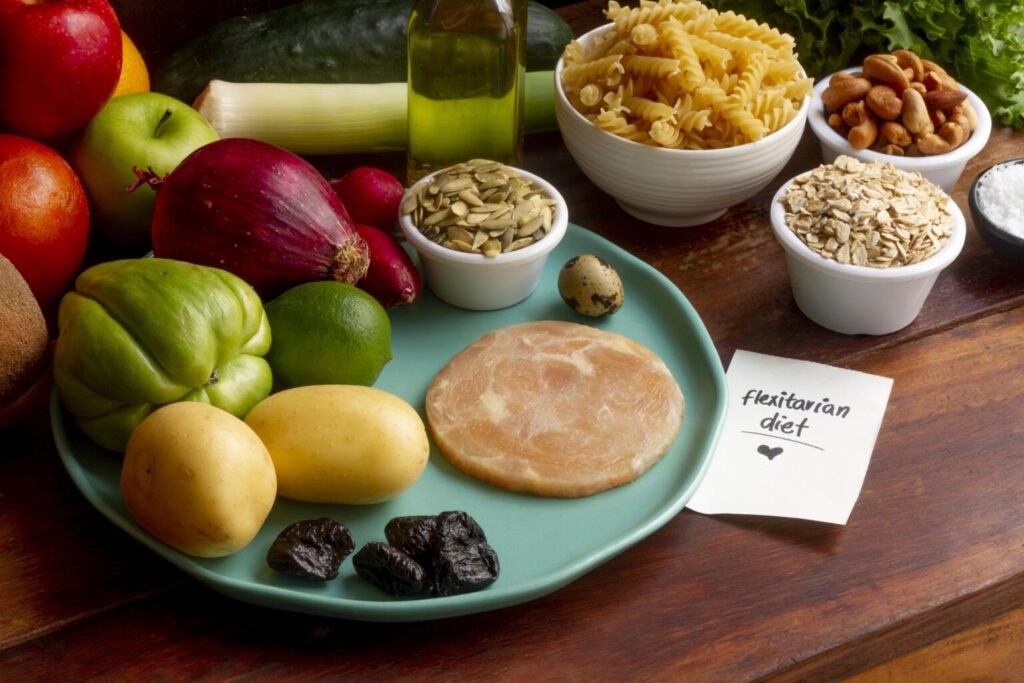
Postbiotic Foods: The Next Gut Health Frontier Beyond Probiotics & Prebiotics You’ve heard of probiotics. You might have even added a daily supplement to your routine. But there’s a new gut health player that mamas everywhere are talking about and it’s called postbiotics. Whether you’re managing postpartum recovery, chasing energy as a busy mom, or simply wanting to feel your best, understanding what postbiotic foods are and how they work could be the missing piece in your wellness journey. Let’s break it all down in plain language. What Are Postbiotics? (And How Are They Different?) Think of your gut as a thriving miniecosystem. Probiotics are the live bacteria that live there. Prebiotics are the fiber they eat. And postbiotics are the beneficial byproducts that result when probiotics digest prebiotics. Here’s a quick comparison: 🦠 Probiotics: Live beneficial bacteria (e.g., Lactobacillus in yogurt) 🌾 Prebiotics: Fiber that feeds bacteria (e.g., garlic, onions, oats) ✨ Postbiotics: Bioactive compounds produced by bacteria (e.g., butyrate, SCFAs, enzymes) Unlike probiotics, postbiotics don’t need to stay alive to work making them more stable, easier to absorb, and potentially more powerful for overall gut microbiome health. Why Postbiotics Matter for Moms For mothers whether expecting, postpartum, or in the thick of raising little ones gut health has a direct impact on energy, immunity, mood, and hormonal balance. Postbiotics support all of these through several key mechanisms: Strengthening the gut lining to reduce inflammation and leaky gut Boosting immune system function (up to 70% of your immune cells live in your gut!) Producing shortchain fatty acids (SCFAs) like butyrate for colon health Supporting mental health via the gutbrain axis Improving nutrient absorption critical during postpartum recovery Best Postbiotic Foods to Add to Your Plate You don’t need expensive supplements to get postbiotics many whole foods are naturally rich in them: 1. Fermented Foods (Rich in Bioactive Compounds) Yogurt with live cultures a classic source of lactate and SCFAs Kimchi & sauerkraut deliver bacteriocins with antimicrobial benefits Kefir packed with organic acids and enzymes that support digestion Miso & tempeh excellent fermented soy options, especially for plantbased moms 2. HighFiber Foods (That Fuel Postbiotic Production) Feeding your gut bacteria the right fuel encourages postbiotic production naturally: Oats betaglucan fiber drives butyrate production Bananas especially slightly green ones, rich in resistant starch Legumes (lentils, chickpeas) powerful prebiotic fuel for postbiotic output Asparagus & garlic support diverse bacterial strains 3. Aged Cheeses & VinegarBased Foods Aged cheddar, gouda, and parmesan contain natural postbiotic byproducts from fermentation Apple cider vinegar contains acetic acid, a wellknown postbiotic compound Sourdough bread fermented longform, offering organic acids and improved digestibility Postbiotics vs. Probiotics: Which Is Better? The short answer? You don’t have to choose they work best together. However, postbiotics offer some advantages that are especially relevant for moms with sensitive digestion or those who have had mixed results with probiotic supplements: No refrigeration required more shelfstable Gentler on sensitive guts no risk of bacterial overgrowth Fasteracting bioavailable compounds are ready to use Safe for immunocompromised individuals (including some postpartum women) FAQs About Postbiotic Foods (Featured Snippet Optimized) Q1: What are postbiotic foods and why are they good for gut health? Postbiotic foods are foods that contain or promote the production of postbiotics beneficial compounds such as shortchain fatty acids, enzymes, and bacteriocins created when gut bacteria break down prebiotics. They support gut lining integrity, reduce inflammation, boost immunity, and improve overall digestive wellness without requiring live bacteria to be present. Q2: Are postbiotics better than probiotics? Postbiotics are not necessarily better than probiotics, but they offer unique advantages including greater stability, immediate bioavailability, and suitability for sensitive digestive systems. Ideally, a balanced gut health approach includes all three: prebiotics, probiotics, and postbiotics working together as part of a wholefood diet. Q3: What is the best postbiotic food for moms to eat daily? Some of the best postbioticrich or postbioticpromoting foods for moms include plain yogurt (with live cultures), kefir, oats, bananas, kimchi, miso, lentils, and sourdough bread. Eating a variety of fermented and fiberrich whole foods daily is the most effective and sustainable strategy to support postbiotic production in your gut. The FitMom Takeaway The world of gut health is evolving fast and postbiotics are leading the charge. For busy moms who want real, sustainable wellness without complicated supplement stacks, focusing on postbiotic supporting whole foods is a gamechanger. Small, consistent changes to what’s already on your plate more fermented foods, more fiber, more variety can have a profound effect on your energy, immunity, and mental clarity. Just fill in the form & our Health Consultant will get in touch with you Full Name Email Phone Number 🇮🇳 India +91🇺🇸 USA +1🇨🇦 Canada +1🇬🇧 UK +44🇦🇺 Australia +61🇳🇿 New Zealand +64🇦🇪 UAE +971🇸🇦 Saudi Arabia +966🇶🇦 Qatar +974🇰🇼 Kuwait +965🇧🇭 Bahrain +973🇴🇲 Oman +968🇯🇴 Jordan +962🇱🇧 Lebanon +961🇪🇬 Egypt +20🇿🇦 South Africa +27🇳🇬 Nigeria +234🇰🇪 Kenya +254🇹🇿 Tanzania +255🇺🇬 Uganda +256🇪🇹 Ethiopia +251🇲🇦 Morocco +212🇹🇳 Tunisia +216🇩🇿 Algeria +213🇩🇪 Germany +49🇫🇷 France +33🇮🇹 Italy +39🇪🇸 Spain +34🇳🇱 Netherlands +31🇸🇪 Sweden +46🇳🇴 Norway +47🇩🇰 Denmark +45🇫🇮 Finland +358🇨🇭 Switzerland +41🇦🇹 Austria +43🇧🇪 Belgium +32🇵🇹 Portugal +351🇬🇷 Greece +30🇵🇱 Poland +48🇷🇺 Russia +7🇺🇦 Ukraine +380🇹🇷 Turkey +90🇮🇷 Iran +98🇵🇰 Pakistan +92🇧🇩 Bangladesh +880🇱🇰 Sri Lanka +94🇳🇵 Nepal +977🇲🇲 Myanmar +95🇹🇭 Thailand +66🇸🇬 Singapore +65🇲🇾 Malaysia +60🇮🇩 Indonesia +62🇵🇭 Philippines +63🇻🇳 Vietnam +84🇰🇭 Cambodia +855🇹🇼 Taiwan +886🇰🇷 South Korea +82🇯🇵 Japan +81🇨🇳 China +86🇭🇰 Hong Kong +852🇹🇲 Turkmenistan +993🇰🇿 Kazakhstan +7🇺🇿 Uzbekistan +998🇲🇽 Mexico +52🇧🇷 Brazil +55🇦🇷 Argentina +54🇨🇴 Colombia +57🇨🇱 Chile +56🇵🇪 Peru +51🇻🇪 Venezuela +58🇪🇨 Ecuador +593🇧🇴 Bolivia +591🇵🇾 Paraguay +595🇺🇾 Uruguay +598 Gender Female Male Other Your Goal Select a goalWeight lossMuscle gainPost-natal fitnessGeneral wellnessFlexibility & mobilityOther Get Started
Upcycled Superfoods 2026: The NextGen Ingredients Busy Moms Need Now
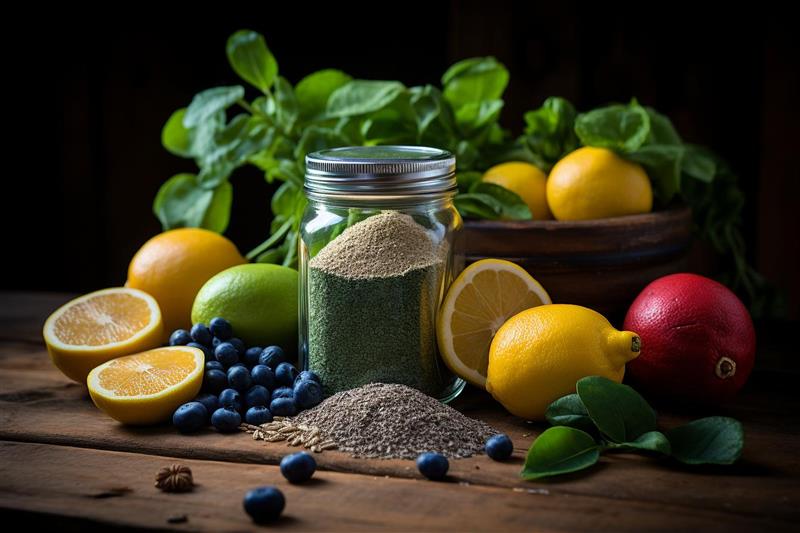
Upcycled Superfoods 2026: The NextGen Ingredients Busy Moms Need Now What if the most powerful superfoods of 2026 came from ingredients that once ended up in the trash? Upcycled superfoods are taking the wellness world by storm and for good reason. These nutrientdense, sustainable ingredients are not just a trend. They are a smarter way to eat for your health and the planet. For busy moms juggling family nutrition, fitness goals, and a cleaner lifestyle, upcycled superfoods offer an exciting and practical upgrade to everyday meals. In this guide, FitMom Club breaks down what upcycled superfoods are, which ones are trending in 2026, and exactly how to start using them. What Are Upcycled Superfoods? (And Why 2026 Is Their Moment) Upcycled foods are made from ingredients that would otherwise go to waste during food production fruit peels, seed pulp, vegetable stems, grain husks, and more. Rather than discarding these nutrientrich byproducts, innovative food brands are transforming them into highquality, nutrientdense products. Here is why upcycled superfoods in 2026 are getting so much attention: They reduce food waste by up to 40% compared to conventional ingredient sourcing They pack more fiber, antioxidants, and micronutrients than many conventional superfoods They are increasingly accessible in mainstream grocery stores and online They align perfectly with clean eating, zerowaste, and plantbased nutrition goals Top Upcycled Superfoods Trending in 2026 The following are six standout upcycled ingredients that nutrition experts and wellness brands are spotlighting this year. Each one delivers remarkable health benefits andmost are easier to find than you think. 1. Watermelon Seed Protein Coldpressed from seeds usually discarded in juice production, watermelon seed protein is a complete plantbased protein with all essential amino acids. It is rich in magnesium, zinc, and iron key nutrients often lacking in busy moms’ diets. Look for it in protein powders and seed butters. 2. Aquafaba (Chickpea Brine) The liquid left over from canned chickpeas is a powerhouse emulsifier and protein source. Used in everything from eggfree baking to creamy sauces, aquafaba is naturally rich in saponins and soluble fiber that support gut health and cholesterol balance. 3. Cacao Fruit Pulp Chocolate comes from the cacao bean but the surrounding fruit pulp is usually discarded. This tropical superfood is high in vitamin C, prebiotic fiber, and natural antioxidants. In 2026, expect to see cacao pulp in smoothie powders, functional juices, and wellness snack bars. 4. Spent Grain Flour Left over from the beer and breadmaking process, spent grain flour is extraordinarily high in protein and dietary fiber. It has a nutty, wholesome flavor and works beautifully in pancakes, muffins, and homemade energy bars perfect for moms who want to boost family nutrition effortlessly. 5. Citrus Peel Extract Coldpressed from lemon, orange, and grapefruit peel usually discarded in juicing citrus peel extracts are loaded with flavonoids, hesperidin, and vitamin C. These compounds support immune function, reduce inflammation, and promote skin health. They show up in supplements, herbal teas, and natural energy drinks. 6. Upcycled Avocado Seed Powder The avocado seed, long thrown away, contains more antioxidants than the flesh itself. Ground into fine powder, it delivers powerful antiinflammatory compounds, soluble fiber, and natural phenolic acids. Add it to smoothies, oatmeal, or yogurt bowls for a serious nutritional boost. How to Easily Add Upcycled Superfoods to Your Daily Routine How to Easily Add Upcycled Superfoods to Your Daily Routine You do not need a complete kitchen overhaul to start benefiting from these trending health ingredients. Here are four simple, momapproved ways to incorporate upcycled superfoods into everyday life: Swap your protein powder. Choose a blend that contains watermelon seed or spent grain protein for a sustainable, complete amino acid profile. Upgrade your smoothie. Add a teaspoon of upcycled avocado seed powder or cacao fruit pulp to your morning blend for an antioxidant boost. Bake smarter. Replace up to 30% of allpurpose flour with spent grain flour in your family’s favorite muffin or pancake recipe. Try functional drinks. Look for beverages featuring citrus peel extract or cacao pulp for a cleanenergy alternative to coffee. Why FitMom Club Recommends a Sustainable Superfood Approach At FitMom Club, we believe that what is good for your body should also be good for the planet. Choosing upcycled superfoods is one of the most impactful nutritional decisions a modern mom can make in 2026 reducing food waste while dramatically boosting the nutritional density of everyday meals. These ingredients are not gimmicks. They are backed by food science, embraced by leading registered dietitians, and increasingly certified by the Upcycled Food Association a growing industry standard you can look for on product labels. Internal Resource: Read our guide on “Top PlantBased Protein Sources for Active Moms in 2026” for complementary nutrition strategies. Internal Resource: Explore our “FitMom Club 7Day Clean Eating Meal Plan” to see how to build sustainable superfood habits week by week. Start Your Upcycled Superfood Journey Today The best nutrition decisions are the ones that work for your life, your family, and your values. Upcycled superfoods offer all three: exceptional health benefits, environmental impact, and genuine versatility for real, busy mom life. 2026 is the year to move beyond the same old kale and chia seeds. These nextgeneration ingredients are ready to transform your wellness routine one sustainable bite at a time. Ready to take the next step? Join the FitMom Club community today and get access to exclusive cleaneating guides, expertcurated meal plans, and the latest sustainable superfood recommendations all designed specifically for moms who want to feel their best. Frequently Asked Questions (FAQs) Optimized for Google featured snippets and voice search. Q1. What are upcycled superfoods and are they safe to eat? Upcycled superfoods are nutrientrich ingredients made from food production byproducts such as fruit peels, seed pulp, or grain husks that would otherwise be discarded. They are completely safe to eat and are increasingly certified by the Upcycled Food Association. Many are rich in fiber, antioxidants, and essential minerals, making them a healthy and sustainable addition to any diet. Q2. What are
Regenerative Eating: How Soil Health Impacts the Nutrient Density of Your Family’s Dinner.
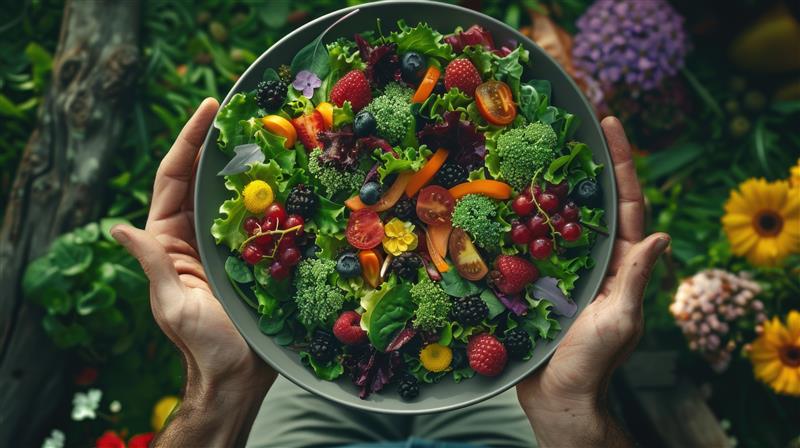
Regenerative Eating: How Soil Health Impacts the Nutrient Density of Your Family’s Dinner Introduction You can eat “healthy” and still miss the point. If your food comes from nutrient-depleted soil, it won’t deliver the same benefits—no matter how clean your diet looks. That’s where regenerative eating comes in. It connects what’s happening in the soil directly to: Your family’s nutrition Food quality Long-term health If you ignore soil health, you’re ignoring the foundation of nutrition itself. What Is a Low-Carbon Kitchen? Regenerative eating focuses on choosing foods grown using regenerative agriculture practices. These methods aim to: Restore soil health Increase biodiversity Improve nutrient content of food Unlike conventional farming, regenerative systems build the soil instead of depleting it. Why Soil Health Matters for Nutrition Healthy soil = nutrient-rich crops. Degraded soil = weaker nutrition. Soil affects: Mineral content (iron, zinc, magnesium) Vitamin levels Plant resilience and quality When soil lacks nutrients, plants can’t absorb what isn’t there. And that directly impacts your meals. The Hidden Problem with Modern Food Modern agriculture often prioritizes: Yield (more quantity) Speed (faster production) At the cost of: Soil depletion Reduced nutrient density Result: Food that looks healthy… but isn’t as nutrient-rich as it should be. You won’t notice it immediately—but it adds up over time. How Regenerative Farming Improves Food Quality 1. Better Mineral Content Healthier soil leads to higher levels of essential nutrients. 2. Stronger Plants Plants grown in good soil: Resist disease better Develop richer nutrient profiles 3. Higher Food Quality Better taste More micronutrients Improved overall nutrition How to Start Regenerative Eating (Practical Steps) You don’t need to overhaul everything. 1. Choose Whole, Less-Processed Foods Focus on: Fresh vegetables Whole grains Natural protein sources 2. Buy Local When Possible Local farms often use better soil practices. 3. Look for Regenerative or Organic Labels Not perfect but a step in the right direction. 4. Diversify Your Diet Eating a variety of foods improves nutrient intake. Simple Regenerative Meal Ideas 1. Vegetable + Lentil Bowl Seasonal vegetables Lentils Whole grains ✔ Nutrient-dense and sustainable 2. Farm-Fresh Egg Meal Eggs Greens Whole grain toast ✔ Balanced and simple 3. Seasonal Family Plate Mixed vegetables Healthy protein Natural fats ✔ Supports both health and sustainability Benefits of Regenerative Eating When done consistently: Improved nutrient intake Better digestion Higher food quality Supports environmental health This isn’t just about you it’s about long-term sustainability for your family. Common Mistakes to Avoid Assuming all “healthy” food is nutrient-rich Ignoring food sourcing Over-relying on processed foods Choosing convenience over quality These reduce the impact of your diet. Conclusion: Nutrition Starts in the Soil You can’t separate food from how it’s grown. If the soil is unhealthy, your food will be too. Regenerative eating helps you: Make smarter food choices Improve your family’s nutrition Support a better food system
The Low-Carbon Kitchen: High-Protein Meals That Are Also Kind to the Planet.

The Low-Carbon Kitchen: High-Protein Meals That Are Good for You and the Planet Introduction High-protein diets are everywhere but here’s the problem: Most of them rely heavily on high-carbon foods like red meat and processed protein sources. If you care about: Your health Your energy levels And the planet You need a smarter approach. Welcome to the low-carbon kitchen—where you build high-protein meals that fuel your body without increasing your environmental footprint. What Is a Low-Carbon Kitchen? A low-carbon kitchen focuses on foods that: Require fewer resources to produce Generate lower greenhouse gas emissions Still deliver strong nutritional value This doesn’t mean giving up protein it means choosing better protein sources. Why Traditional High-Protein Diets Fall Short Let’s be blunt. Heavy reliance on: Red meat Processed protein products Leads to: Higher carbon footprint Poor long-term sustainability Often unnecessary overconsumption You don’t need excessive animal protein to stay fit. Best Low-Carbon High-Protein Foods 1. Plant-Based Protein Sources These are your foundation. Lentils Chickpeas Beans Tofu and tempeh ✔ High protein✔ Low environmental impact 2. Sustainable Animal Proteins If you include animal foods, choose smarter: Eggs Chicken (in moderation) Yogurt ✔ Lower carbon footprint than red meat 3. Whole Grains with Protein Don’t ignore these: Quinoa Oats Brown rice ✔ Adds both energy and protein 4. Nuts and Seeds Almonds Chia seeds Flaxseeds ✔ Healthy fats + protein boost 3 Easy Low-Carbon High-Protein Meals 1. Lentil Power Bowl Cooked lentils Vegetables Olive oil dressing ✔ High protein + fiber 2. Chickpea Salad Wrap Chickpeas Whole grain wrap Fresh veggies ✔ Quick and filling 3. Egg & Veggie Scramble Eggs Spinach Tomatoes ✔ Balanced and simple How to Build a Low-Carbon Meal (Simple Formula) Follow this structure: Protein base (lentils, eggs, tofu) Fiber source (vegetables, whole grains) Healthy fats (nuts, seeds, oils) That’s it. Keep it simple. Benefits of a Low-Carbon High-Protein Diet Ignoring app insights Tracking inconsistently Over-relying without understanding your body Not adjusting routines based on data AI is a tool not a replacement for awareness. Common Mistakes to Avoid Relying only on protein powders Overconsuming meat Ignoring plant-based options Making meals overly complicated Keep it practical. Conclusion: Eat Smart, Not Extreme You don’t need extreme diets to get results. A low-carbon kitchen gives you: Enough protein Better health Lower environmental impact It’s a win across the board. FAQs
Maternal Health AI: How to Use FemTech Bots to Predict Your Hormonal “Crash” Before It Happens.

Maternal Health AI: How FemTech Can Predict Your Hormonal “Crash” Before It Happens Introduction If your energy, mood, and performance suddenly drop without warning, it’s not random—it’s hormonal. Most women only react after the crash: Exhaustion Irritability Poor workouts Brain fog By then, you’re already behind. Maternal Health AI changes that. With the rise of FemTech apps and AI-powered health tools, you can now predict hormonal dips before they hit—and adjust your workouts, workload, and recovery accordingly. What Is Maternal Health AI? Maternal Health AI refers to AI-driven tools and FemTech apps that track and analyze your body’s patterns. These tools monitor: Menstrual cycle data Sleep quality Heart rate variability (HRV) Stress levels Activity patterns Using this data, AI can predict hormonal shifts and alert you before symptoms appear. What Is a Hormonal “Crash”? A hormonal crash is a sudden drop in energy and mental clarity caused by: Hormonal fluctuations (especially in luteal phase) Poor recovery High stress Common signs: Low motivation Fatigue Mood swings Reduced workout performance The key is catching it early. How FemTech Bots Actually Predict It AI doesn’t guess—it detects patterns. Here’s how it works: Data Collection Your cycle, sleep, stress, and activity are tracked Pattern Recognition AI identifies recurring dips in energy or mood Predictive Alerts You get notified before your next expected crash Action Recommendations Adjust workouts Reduce workload Prioritize recovery This turns your routine from reactive → proactive. Best Ways to Use AI for Hormonal Health 1. Track Consistently (No Shortcuts) If your data is inconsistent, predictions will be useless. 2. Adjust Workouts Based on Predictions If AI flags a low-energy phase: Reduce intensity Focus on recovery workouts 3. Plan Your Workload Smartly High energy → creative or demanding tasks Low energy → admin or recovery work 4. Monitor Recovery Metrics Pay attention to: Sleep quality HRV trends Stress levels These are early warning signs. Benefits of Using FemTech AI When used properly: Fewer energy crashes Better workout performance Improved hormonal balance Smarter productivity planning Reduced burnout This is about control and predictability. Common Mistakes (Don’t Make These) Ignoring app insights Tracking inconsistently Over-relying without understanding your body Not adjusting routines based on data AI is a tool—not a replacement for awareness. How to Start (Simple Setup) Choose a FemTech app (cycle + health tracking) Track daily for at least 2–4 weeks Review patterns and predictions Adjust workouts and schedule That’s it. Keep it simple. Is This the Future of Women’s Fitness? Yes and it’s already happening. Women are moving from: Generic routines👉 to Data-driven, personalized training If you ignore this shift, you’ll stay stuck in trial-and-error. Conclusion: Stop Guessing, Start Predicting Hormonal crashes aren’t unavoidable they’re predictable. With the right tools, you can: Prepare in advance Adjust intelligently Stay consistent That’s how real progress happens.
The Hidden Hormone Signals: How to Fix Brain Fog and Night Sweats Without Just “Pushing Through

The Hidden Hormone Signals: How to Fix Brain Fog and Night Sweats Without Just “Pushing Through Introduction You’re forgetting simple things. Waking up drenched in sweat. Feeling exhausted even after a full night’s sleep. And what do most people say?“Just push through.” That’s terrible advice. Brain fog and night sweats are not random. They’re signals—your body telling you something is off, usually at a hormonal level. Ignoring them doesn’t make you strong. It makes the problem worse. Let’s break down what’s actually happening—and what you can do about it. What Are These “Invisible” Symptoms Really Telling You? Brain fog and night sweats often show up before major hormonal changes become obvious. Brain Fog Trouble concentrating Memory lapses Mental fatigue Feeling “slow” or disconnected Night Sweats Sudden overheating during sleep Waking up drenched Disrupted sleep cycles These symptoms are commonly linked to: Hormonal imbalance (especially estrogen and cortisol) Poor sleep quality Blood sugar instability Chronic stress If you’re experiencing both together, it’s not coincidence—it’s a pattern. The Real Root Causes (Not What You’ve Been Told) 1. Hormonal Fluctuations Estrogen directly impacts brain function and temperature regulation. When it drops or fluctuates (common in perimenopause), symptoms appear fast. 2. Cortisol Overload Chronic stress keeps cortisol elevated, leading to: Poor sleep Brain fog Night-time awakenings 3. Blood Sugar Spikes Late-night sugar crashes can trigger night sweats and disturb deep sleep. 4. Nutrient Deficiencies Low levels of: Magnesium B vitamins Iron can worsen both cognitive clarity and sleep quality. Stop Pushing Through Start Fixing It You don’t fix this by “trying harder.” You fix it by addressing the root. 1. Stabilize Your Hormones Eat balanced meals (protein + healthy fats + fiber) Avoid skipping meals Reduce processed sugar 2. Improve Sleep Quality (Not Just Quantity) No screens 60 minutes before bed Keep your room cool Maintain consistent sleep timing 3. Manage Stress Properly Forget generic advice. Do what actually works: Breathwork (5–10 minutes daily) Light movement like walking or yoga Reduce unnecessary workload 4. Support Your Body Nutritionally Focus on: Magnesium-rich foods (nuts, seeds) Iron and B12 (especially if fatigued) Hydration (don’t underestimate this) When Should You Take This Seriously? If you’re dealing with: Daily brain fog Frequent night sweats Mood swings + fatigue This isn’t “normal aging.” It’s mismanaged health. Waiting it out won’t fix it. Action will. A Smarter Approach for Moms As a mom, your energy isn’t optional—it’s essential. You don’t have time to feel half-functional. And you shouldn’t accept that as your baseline. Instead of reacting to symptoms, you need a system that: Tracks your energy patterns Supports hormone balance Aligns lifestyle with your body Conclusion : Fix the Root, Not Just the Symptoms Brain fog and night sweats are early warning signs. Not nuisances. Not something to ignore. The longer you “push through,” the harder it becomes to recover. The smarter move?Understand your body. Support it properly. And take control before things escalate. 👉 At Mom Club, we help women identify these hidden patterns and build a lifestyle that actually works with their body—not against it.
8-Module Emotional Healing Program: A Structured Path to Inner Peace and Stronger Relationships

8-Module Emotional Healing Program: A Structured Path to Inner Peace and Stronger Relationships Introduction In today’s fast-paced world, emotional burnout, overthinking, and relationship struggles have become increasingly common. Many people try to “fix” surface-level problems without addressing the deeper emotional roots. The 8-Module Emotional Healing Program by Mindfully You is designed to change that. This structured, therapist-guided journey helps individuals and couples understand their emotional patterns, heal past wounds, and build healthier relationships—with themselves and others. What Makes This Program Unique? Unlike generic therapy approaches, this program combines: Video learning sessions Guided meditations Worksheets for reflection Progress assessments It is self-paced, making it accessible for busy individuals while still offering deep psychological transformation. What You Will Work On Throughout the program, participants focus on: 1. Managing Overthinking & Stress Learn practical techniques to calm your mind and regulate anxiety in daily life. 2. Understanding Emotional Triggers Identify what causes emotional reactions and how past experiences influence present behavior. 3. Healing Unmet Emotional Needs Recognize gaps from childhood or past relationships that still impact your life. 4. Breaking Repeating Patterns Uncover cycles in relationships, decisions, and emotional responses—and learn how to change them. 5. Building Self-Connection Develop confidence, self-awareness, and emotional clarity. Key Outcomes You Can Expect Participants often begin to notice: Feeling more calm and in control Reduced stress in everyday situations Improved relationships with others Increased self-confidence and clarity Programs Included in the Emotional Healing Journey 1. Couple Counselling Couple counselling helps partners move from conflict to connection by understanding emotional patterns and improving communication. What It Covers: Recurring conflict patterns Emotional triggers and unmet needs Communication breakdowns Attachment styles Rebuilding emotional safety Approaches Used: Imago Relationship Therapy Gottman-based communication techniques Structured reflective conversations Formats: 3-Session Format: Identify conflict patterns Understand emotional reactions Learn basic communication tools 6-Session Format: Deep emotional repair Imago dialogue practice Strengthening trust and connection 2. Individual Deep-Work Counselling This program focuses on deep emotional healing by addressing the root causes of internal struggles. What It Covers: Personal history and life experiences Emotional wounds and belief systems Recurring life patterns Thought and behavior triggers Formats: 3-Session Format: Pattern awareness Emotional mapping Introduction to CBT tools 6-Session Format: Deep emotional exploration Shadow work Cognitive restructuring Long-term behavioral change 3. Premarital Counselling Designed for couples preparing for marriage, this program builds a strong emotional and psychological foundation. What It Covers: Expectations from marriage Communication styles Attachment dynamics Value compatibility Conflict resolution strategies Formats: 3-Session Format: Compatibility assessment Awareness of expectations Identifying potential challenges 6-Session Format: Deeper communication work Emotional regulation tools Long-term relationship readiness Why Emotional Healing Matters in 2026 Modern lifestyles have increased: Emotional stress Relationship conflicts Mental fatigue Without addressing the root causes, these issues tend to repeat. This program helps you: Move from reactive behavior → conscious response Shift from confusion → clarity Transform from emotional overwhelm → inner stability Who Is This Program For? This program is ideal for: Individuals struggling with stress, anxiety, or overthinking Couples facing repeated conflicts People wanting to understand their emotional patterns Anyone seeking personal growth and emotional clarity Program Highlights ✔ Self-paced learning ✔ Therapist-designed structure ✔ Practical tools and exercises ✔ Suitable for individuals & couples ✔ Affordable and accessible Conclusion Emotional healing is not a quick fix—it’s a process of understanding, awareness, and transformation. The 8-Module Emotional Healing Program by Mindfully You provides a structured and guided path to help you: Heal your past Improve your present Build a stronger, more conscious future
Cycle-Syncing 2.0: High-Performance Productivity and Workouts Based on Your 28-Day Clock.

Cycle Syncing 2.0: The Smarter Way to Align Workouts & Productivity with Your 28-Day Cycle If your energy, motivation, and workout performance feel inconsistent, the issue isn’t discipline—it’s biology. Women operate on a 28-day hormonal cycle, not a 24-hour rhythm. Yet most fitness and productivity advice ignores this completely. That’s where Cycle Syncing 2.0 comes in. Instead of forcing the same routine daily, you align your workouts, work tasks, and recovery with your cycle phases—leading to better results with less burnout. What Is Cycle Syncing 2.0? Cycle syncing isn’t new but most people only apply it to workouts. Cycle Syncing 2.0 goes further, optimizing: Fitness performance Mental focus Productivity cycles Recovery timing This approach uses your body’s natural hormonal shifts to maximize output when energy is high and recover when it’s low. Understanding the 4 Phases of Your Cycle 1. Menstrual Phase (Days 1–5) – Recovery Mode Energy is at its lowest due to hormonal dips. Best approach: Light movement (walking, stretching) Reflection and planning Reduced workload ✔ Focus on recovery ✖ Avoid intense workouts 2. Follicular Phase (Days 6–13) – Growth Mode Energy, creativity, and motivation increase. Best approach: Strength training Trying new workouts Brainstorming ideas ✔ Ideal for learning and building habits 3. Ovulatory Phase (Days 14–16) – Peak Performance This is your highest energy and confidence phase. Best approach: High-intensity workouts (HIIT, strength) Meetings, presentations, social tasks ✔ Maximum strength and communication skills 4. Luteal Phase (Days 17–28) – Focus & Stabilization Energy gradually decreases. Best approach: Moderate workouts Structured work tasks Gradual intensity reduction ✔ Best for deep, focused work Cycle-Synced Workout Plan Menstrual Phase Walking Yoga or mobility Somatic exercises Follicular Phase Strength training Progressive overload workouts Ovulatory Phase HIIT Power workouts Group training Luteal Phase Moderate strength training Pilates or controlled workouts How to Sync Your Productivity for Better Results Most people ignore this—and that’s a mistake. Align tasks with your cycle: Menstrual: Planning, journaling Follicular: Creative thinking, learning Ovulatory: Communication, leadership Luteal: Execution, detailed work This reduces burnout and increases efficiency. Benefits of Cycle Syncing Workouts & Productivity When done consistently: Improved workout performance Better energy management Reduced stress and burnout Enhanced focus and productivity More sustainable fitness routine This approach makes consistency easier because it works with your body, not against it. Common Mistakes to Avoid Following the same workout daily Ignoring low-energy phases Overtraining during luteal phase Expecting constant motivation These mistakes lead to frustration and burnout. How to Get Started (Simple Steps) Track your menstrual cycle Identify your current phase Adjust workouts and workload weekly Stay consistent not perfect Even small adjustments make a noticeable difference. Conclusion: Train and Work Smarter, Not Harder Cycle Syncing 2.0 is about using your body’s natural rhythm to your advantage. When you align your workouts and productivity with your cycle, you stop feeling inconsistent—and start seeing real progress.
Postpartum is Forever: Why You Should Still Be Doing “Rehab” Exercises 5 Years Later.
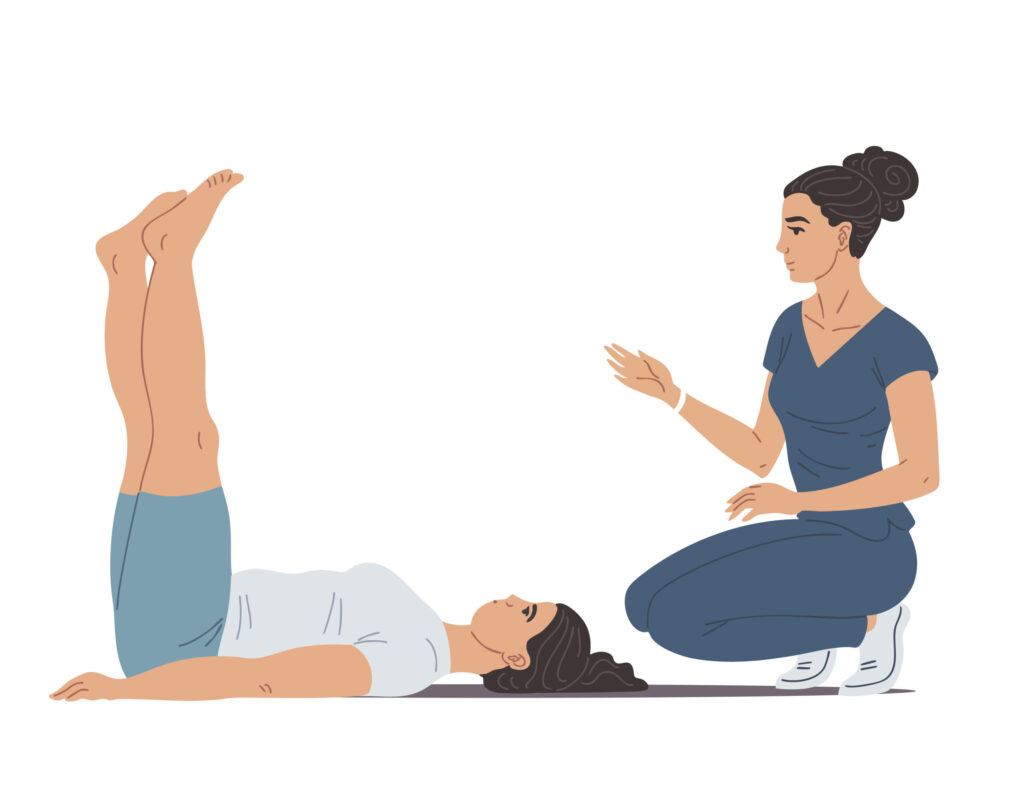
Postpartum Is Forever: Why You Should Still Be Doing Rehab Exercises 5 Years Later Here’s the truth most fitness programs won’t tell you: Postpartum doesn’t end at 6 weeks… or even 6 months.If you’ve had a baby even 5 years ago your body is still affected. Ignoring this is exactly why so many women deal with: Core weakness Back pain Pelvic floor issues Poor posture Postpartum rehab exercises aren’t temporary they’re long-term maintenance. What “Postpartum Is Forever” Actually Means Pregnancy permanently changes: Your core structure Pelvic floor function Breathing mechanics These don’t automatically “reset.” Even years later, you may still have: Diastasis recti (ab separation) Pelvic instability Weak deep core muscles If you’re not training these areas, you’re building strength on a weak foundation. Why Most Women Stop Rehab Too Early Let’s be honest—this is where things go wrong. After a few months, most women: Jump into regular workouts Stop core rehab completely Assume they’re “back to normal” But the body doesn’t work like that. What happens instead: Compensations develop Pain starts showing up Strength plateaus You don’t notice it immediately but it catches up. The Hidden Problems (5 Years Later) Even if you feel “fine,” these issues are common: 1. Core Dysfunction Weak deep core (transverse abdominis) Belly bulging during exercise 2. Pelvic Floor Issues Leaking (even slight) Pressure or heaviness 3. Lower Back Pain Caused by poor core support 4. Poor Posture Rib flare Anterior pelvic tilt These are not random they’re unresolved postpartum adaptations. The 5 Essential Postpartum Rehab Exercises These should still be in your routine even years later. 1. Diaphragmatic Breathing Inhale through nose, expand belly Exhale slowly, engage core Reconnects breath + core Reduces pressure 2. Dead Bug (Controlled) Keep lower back flat Move arms/legs slowly Builds deep core stability 3. Glute Bridge Lift hips slowly Focus on glutes, not lower back Improves pelvic stability 4. Bird Dog Extend opposite arm and leg Maintain balance and control Enhances coordination + core 5. Pelvic Floor Activation (Kegels done properly) Lift and relax (not constant squeezing) Restores pelvic floor strength How to Use These Exercises (Realistically) You don’t need a full rehab session daily. Do this: 10–15 minutes 3–4 times per week Add before or after workouts Rule: If your core isn’t stable, your workouts won’t be effective. Why This Matters for Long-Term Fitness If you ignore postpartum rehab: You increase injury risk You limit strength gains You reinforce poor movement patterns If you train it properly: Stronger core Better posture Improved performance Reduced pain This is your foundation. Common Mistakes (Stop Doing This) Jumping straight into intense workouts Ignoring breathing mechanics Overdoing crunches (wrong approach) Not being consistent This isn’t optional—it’s required maintenance. Conclusion: Fix the Foundation or Stay Stuck You can’t out-train a weak core. Postpartum changes don’t disappear they either get managed or they get worse. If you’re 2, 3, or even 5 years postpartum, it’s not too late. But ignoring it further? That’s where problems start.