
Postpartum Is Forever: Why You Should Still Be Doing Rehab Exercises 5 Years Later
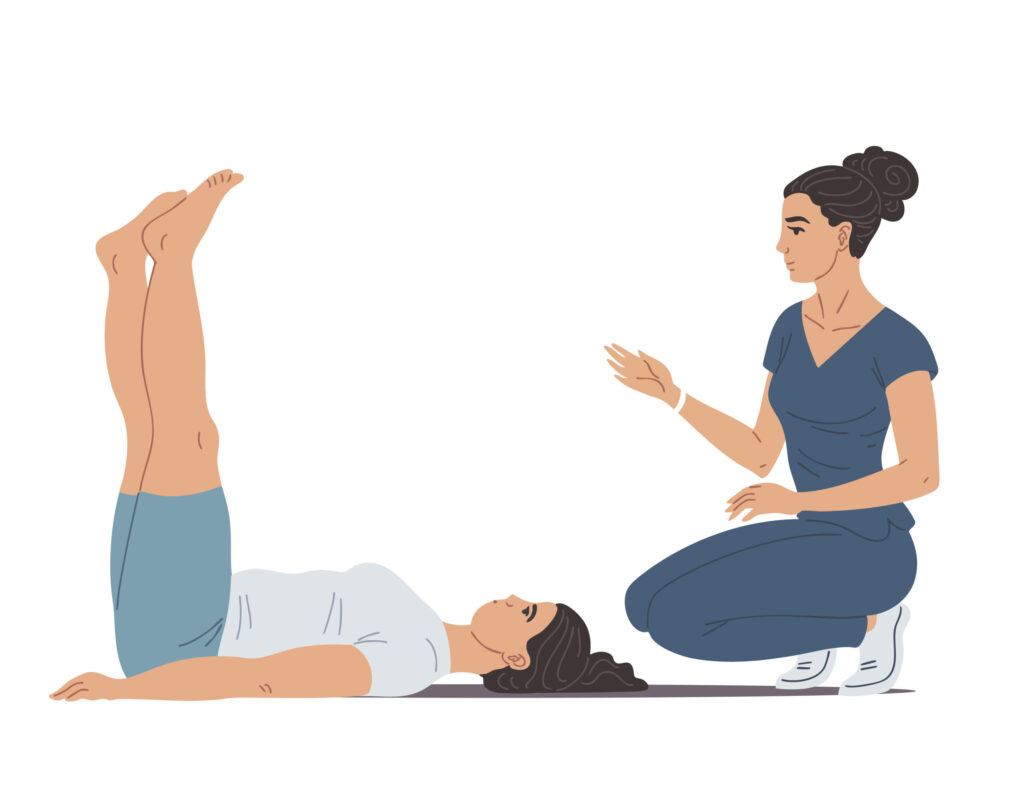
Here’s the truth most fitness programs won’t tell you:
Postpartum doesn’t end at 6 weeks… or even 6 months.
If you’ve had a baby even 5 years ago your body is still affected.
Ignoring this is exactly why so many women deal with:
- Core weakness
- Back pain
- Pelvic floor issues
- Poor posture
Postpartum rehab exercises aren’t temporary they’re long-term maintenance.
What “Postpartum Is Forever” Actually Means
Pregnancy permanently changes:
- Your core structure
- Pelvic floor function
- Breathing mechanics
These don’t automatically “reset.”
Even years later, you may still have:
- Diastasis recti (ab separation)
- Pelvic instability
- Weak deep core muscles
If you’re not training these areas, you’re building strength on a weak foundation.
Why Most Women Stop Rehab Too Early
Let’s be honest—this is where things go wrong.
After a few months, most women:
- Jump into regular workouts
- Stop core rehab completely
- Assume they’re “back to normal”
But the body doesn’t work like that.
What happens instead:
- Compensations develop
- Pain starts showing up
- Strength plateaus
You don’t notice it immediately but it catches up.
The Hidden Problems (5 Years Later)
Even if you feel “fine,” these issues are common:
1. Core Dysfunction
- Weak deep core (transverse abdominis)
- Belly bulging during exercise
2. Pelvic Floor Issues
- Leaking (even slight)
- Pressure or heaviness
3. Lower Back Pain
- Caused by poor core support
4. Poor Posture
- Rib flare
- Anterior pelvic tilt
These are not random they’re unresolved postpartum adaptations.
The 5 Essential Postpartum Rehab Exercises
These should still be in your routine even years later.
1. Diaphragmatic Breathing
- Inhale through nose, expand belly
- Exhale slowly, engage core
- Reconnects breath + core
- Reduces pressure
2. Dead Bug (Controlled)
- Keep lower back flat
- Move arms/legs slowly
- Builds deep core stability
3. Glute Bridge
- Lift hips slowly
- Focus on glutes, not lower back
- Improves pelvic stability
4. Bird Dog
- Extend opposite arm and leg
- Maintain balance and control
- Enhances coordination + core
5. Pelvic Floor Activation (Kegels done properly)
- Lift and relax (not constant squeezing)
- Restores pelvic floor strength
How to Use These Exercises (Realistically)
You don’t need a full rehab session daily.
Do this:
- 10–15 minutes
- 3–4 times per week
- Add before or after workouts
Rule:
If your core isn’t stable, your workouts won’t be effective.
Why This Matters for Long-Term Fitness
If you ignore postpartum rehab:
- You increase injury risk
- You limit strength gains
- You reinforce poor movement patterns
If you train it properly:
- Stronger core
- Better posture
- Improved performance
- Reduced pain
This is your foundation.
Common Mistakes (Stop Doing This)
- Jumping straight into intense workouts
- Ignoring breathing mechanics
- Overdoing crunches (wrong approach)
- Not being consistent
This isn’t optional—it’s required maintenance.
Conclusion: Fix the Foundation or Stay Stuck
You can’t out-train a weak core.
Postpartum changes don’t disappear they either get managed or they get worse.
If you’re 2, 3, or even 5 years postpartum, it’s not too late.
But ignoring it further? That’s where problems start.
Get a customized report tailored for you
Just fill in the form & our Health Consultant will get in touch with you
❌ Please fill all required fields.
✅ Thank you for submitting the form Our Health Consultant will reach out to you. Please respond to that.