
Get the FitMom App
Free · iOS & Android
Does Postpartum Depression make you a Bad Parent?
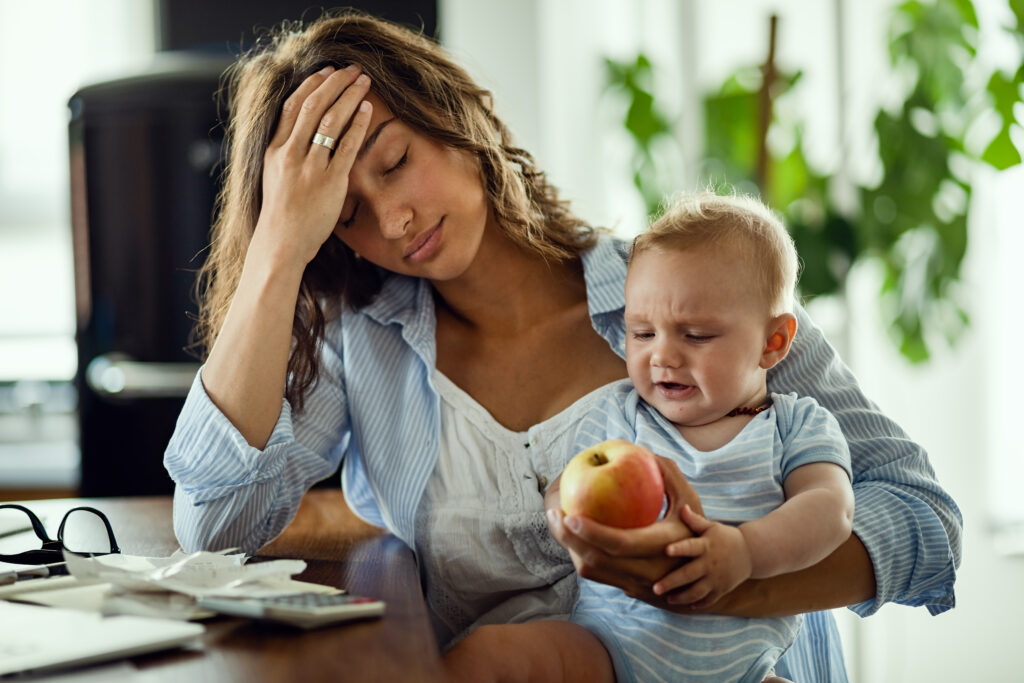
Giving birth is a new feeling every time and can be overwhelming; you may not know how to take care of your newborn and will always be concerned if you will ever be a good parent. But trust us, everything is going to be alright.
Pregnancy is a lot to handle; a woman goes through a lot of changes throughout this period. After the birth, there are chances that you might feel disconnected from your baby and feel no love for your child, which is known as postpartum depression. It affects 1 in 7 new mothers after the birth of a baby, and though this is common, it should not be neglected as it is serious too.
But is it just the mothers who get affected by postpartum depression?
No. People of all genders and all types of parents, even surrogates and adoptive parents, experience it. The feelings of postpartum depression are never your fault but are always valid.
Some research suggests an extreme drop in oestrogen and progesterone after giving birth may be responsible for postpartum depression.
Causes
Postpartum depression can result from both physical and emotional stressors, some of which are;
- Hormonal changes
- Lack of sleep
- Low thyroid levels
- Drug or alcohol consumption
- Loss of a family member
- Financial stress
- Marital conflict
- Lack of support from others
There is another term called baby blues, in which a person might feel sad, tired, or empty after having a baby, but these symptoms usually go away after 3 to 5 days. Whereas, the symptoms of postpartum depression go way beyond that.
Look out for these symptoms in case you want to know if you are suffering from postpartum depression.
These symptoms start within 1 to 3 weeks of having a baby and vary from one person to another. If you are experiencing it, then know that you certainly are not alone and can recover from it with some help.
Treatments
- Medications – Antidepressants should be only taken when advised by a doctor.
2. Hormonal therapy – The fluctuations in hormones after giving birth needs to be managed with hormonal therapy.
3. Therapy – Cognitive behavioural therapy uses techniques to help change thinking patterns and cope with difficult situations, which may relieve symptoms.
4. Natural remedies – Though should not be dependent on it, there are some things that you can do at your home such as yoga, eating healthy food, spending time in nature, and regularly working out.
5. Self-care – Take something out for yourself and do the things you like.
Tips for managing things after childbirth
- Ask for expert help.
- Set realistic expectations for your child and you.
- Indulge in light physical activity as per guidance.
- Avoid consuming alcohol and be on a healthy diet.
- Communicate things with your partner and take out time for each other.
- Keep in touch with your family and friends.
- Don’t think that you are not a good parent.
- Rest well and sleep when you get time.
If you are suffering from postpartum depression, get professional help immediately as not treating it may not just cause you a problem but affect your child’s growth as well.
Get a customized report tailored for you
Just fill in the form & our Health Consultant will get in touch with you
❌ Please fill all required fields.
✅ Thank you for submitting the form Our Health Consultant will reach out to you. Please respond to that.