
Get the FitMom App
Free · iOS & Android
PMS IS NOT A JOKE? PMS SYMPTOMS
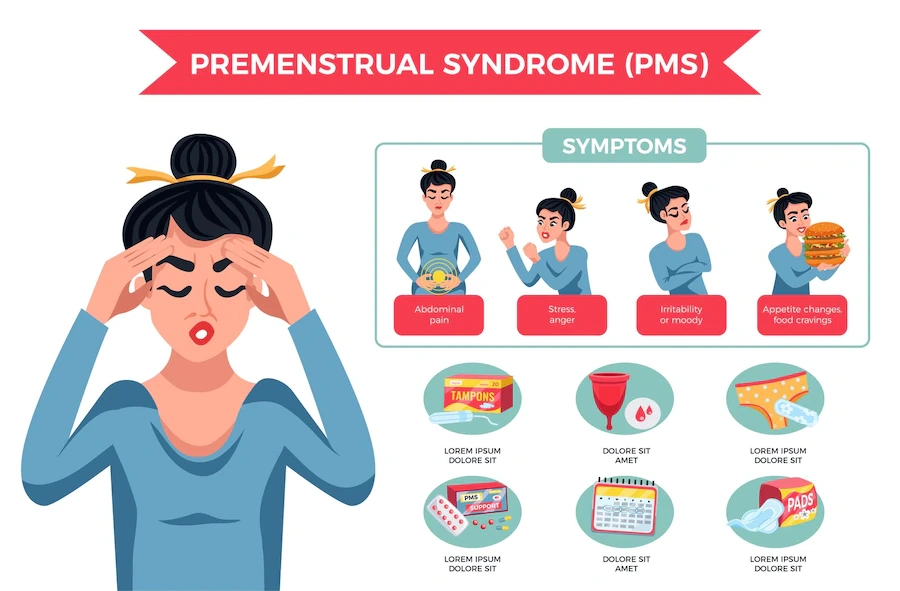
What is PMS?
You will most likely notice signs that your menstrual cycle is approaching. For most women, it’s nothing to worry about—maybe sensitive breasts or a sweet tooth.
But on the other hand, some find these last few days before their period are harder. You may have PMS (premenstrual syndrome) if it interferes with your regular life.
PMS is a pretty common condition. Around 48 percent of women of reproductive age experience PMS, with about 20 percent experiencing symptoms severe enough to disrupt their daily routine.
Menstruation is a normal part of life. There are methods to control PMS symptoms if that is a problem for you. PMS is a collection of changes that can harm you on several levels.
PMS symptoms can be physical, emotional, or behavioural in nature. Changes occur one to two weeks before your menstruation. It will go away once your period begins, or shortly thereafter.
What does PMS do to a woman?
There are many different signs and premenstrual symptoms of PMS, including mood swings during the period, sensitive breasts, food cravings, exhaustion, irritability, and depression.
Premenstrual syndrome is thought to have affected up to three out of every four menstruating women. PMS symptoms may be reduced by lifestyle modifications and medication.
Physical signs
- Bloated tummy
- Cramps
- Tender breasts
- Hunger
- Headache
- Muscle aches
- Joint pain
- Swollen hands and feet
- Pimples
- Weight gain
- Constipation or diarrhoea
Emotional signs
- Tense or anxious
- Depressed
- Crying
- Mood swings
- Can’t sleep
- Don’t want to be with people
- Feel overwhelmed or out of control
- Angry outbursts
Behavioural signs
- Forget things
- Loss of mental focus
- Tired
Self-diagnosable
Mood swings during the period, tender breasts, food cravings, exhaustion, irritability, and depression are all premenstrual symptoms that are self-treatable.
Women may also experience
Areas of pain: the breast, belly, back, joints, muscles, and pelvis
Gastrointestinal symptoms: constipation, diarrhoea, nausea, passing large volumes of gas, or water retention.
Whole body: changes in appetite, extreme hunger, weariness, or loss of appetite.
Mood: anxiety or overall discontent.
Is PMS just a period?
Premenstrual syndrome (PMS) is more than just a premenstrual condition; it is a collection of premenstrual symptoms that many women experience a week or two before their period.
Women experience PMS symptoms such as bloating, headaches, and moodiness. It is usually at its worst 4 days before menstruation. PMS normally resolves 2 to 3 days after the start of menstruation.
Cause of PMS
Despite the fact that PMS is common, experts don’t know what causes it. It’s most likely due to changes in your body chemistry around the time of your menstruation.
Some factors have an impact on PMS but do not cause it. Premenstrual symptoms can be triggered or worsened if you:
- Smoking
- Lack of physical activity.
- Lack of sleep.
- Too much alcohol, salt, red meat, or sugar.
- Depression
Women who have various health issues may notice that they worsen before their menstruation. Migraine headaches, asthma, and allergies are a few examples.
What Can I Do to Deal with PMS?
There are several methods for dealing with PMS. Even if you can’t completely solve things, it’s comforting to know you have the ability to help yourself. These suggestions may be useful:
- Keep track of your feelings and symptoms.
- Exercise for 30 minutes every day.
- Consume nutritious foods such as whole grains, fruits, and vegetables.
- Make an effort to obtain adequate calcium from meals (think dairy, green leafy vegetables, and canned salmon).
- Stay away from salt, coffee, and alcohol.
- Don’t smoke.
- Get enough sleep.
- Work to reduce stress.
Would you like to take a consultation call from us? Kindly fill out the below form
Get a customized report tailored for you
Just fill in the form & our Health Consultant will get in touch with you
❌ Please fill all required fields.
✅ Thank you for submitting the form Our Health Consultant will reach out to you. Please respond to that.