
The Collagen Collapse: Why Moms Over 35 Are Losing It Faster Than They Think
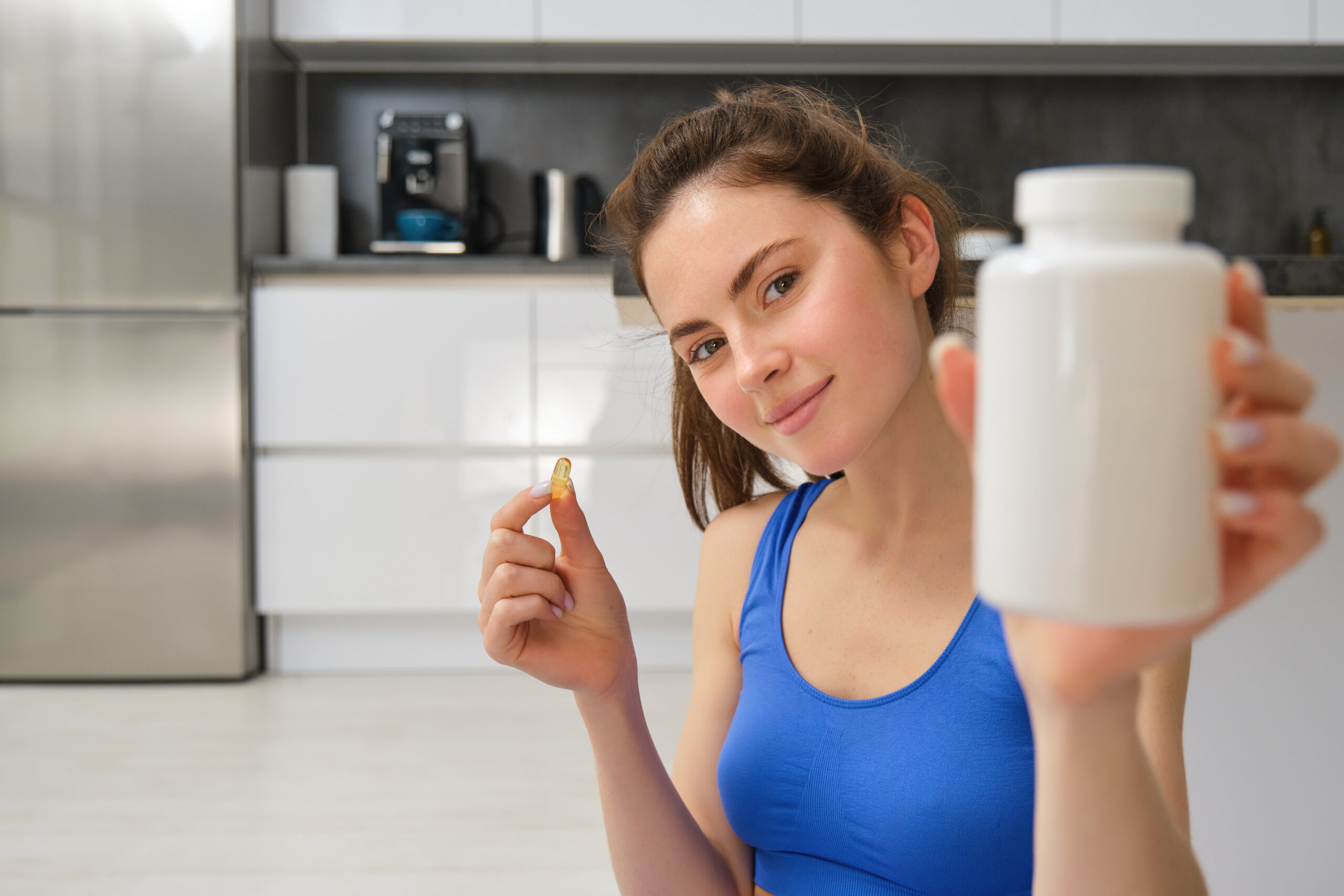
You’ve survived sleepless nights, endless school runs, and backtoback Zoom calls on two hours of sleep. But there’s one thing quietly working against you that no one talks about: the dramatic drop in collagen that hits women hard after 35.
This isn’t just about wrinkles. Collagen is the structural protein that holds your skin, joints, bones, and gut together and once it starts declining, you feel the effects everywhere. The good news? Once you understand what’s happening, you can actually do something about it.
What Is Collagen And Why Does It Disappear?
Collagen is the most abundant protein in the human body, making up roughly 30% of total protein. Think of it as the scaffolding that keeps everything firm and functional from your skin’s bounce to your knee cartilage to your digestive lining.
Your body produces collagen naturally through fibroblast cells. But here’s the problem: production peaks in your early 20s and then slowly declines every year. After 35, that decline gains speed and for moms, several compounding factors make the loss even steeper.
Why Moms Lose Collagen Faster
Being a mom isn’t just emotionally demanding it’s biologically taxing in ways that quietly accelerate collagen breakdown:
- Pregnancy & postpartum hormonal shifts: Estrogen plays a key role in collagen synthesis. The hormone fluctuations during and after pregnancy directly reduce collagen production.
- Chronic sleep deprivation: Collagen is repaired and rebuilt during deep sleep. Interrupted sleep = interrupted repair.
- Chronic stress & elevated cortisol: High cortisol actively degrades existing collagen fibers.
- Nutritional gaps: Busy moms often undereat key collagen cofactors like vitamin C, zinc, and glycine.
- Perimenopause onset: For many women, hormonal shifts begin in the midtolate 30s years before the official menopause transition.
The Warning Signs of Collagen Loss You Might Be Ignoring
Collagen loss shows up as more than fine lines. Watch for these signals your body is sending:
- Skin that feels thinner, drier, or less “springy” when you press it
- Deeper nasolabial folds or hollowing around the eyes
- Achy joints, especially in the knees and hips
- Gut issues like bloating or increased sensitivity (collagen supports the gut lining)
- Slower wound healing or more visible veins on the hands
- Hair that snaps more easily or feels thinner at the temples
ScienceBacked Ways to Rebuild and Protect Your Collagen
Here’s the empowering part: collagen loss is not a done deal. With the right habits, you can meaningfully slow the breakdown and stimulate new production. Here’s what actually works:
1. Prioritize CollagenBoosting Nutrition
Your body can’t make collagen without the right raw materials. Focus on:
- Vitamin C: The single most important collagen cofactor. Bell peppers, kiwi, citrus, and broccoli are top sources.
- Bone broth: Rich in glycine, proline, and hydroxyproline the amino acids that form collagen chains.
- Eggs and fatty fish: Provide lysine and omega3s that support skin structure and reduce inflammation.
- Zincrich foods: Pumpkin seeds, chickpeas, and cashews help activate collagenproducing enzymes.
Consider Hydrolyzed Collagen Peptides
Here’s the empowering part: collagen loss is not a done deal. With the right habits, you can meaningfully slow the breakdown and stimulate new production. Here’s what actually works:
1. Prioritize CollagenBoosting Nutrition
Your body can’t make collagen without the right raw materials. Focus on:
- Vitamin C: The single most important collagen cofactor. Bell peppers, kiwi, citrus, and broccoli are top sources.
- Bone broth: Rich in glycine, proline, and hydroxyproline the amino acids that form collagen chains.
- Eggs and fatty fish: Provide lysine and omega3s that support skin structure and reduce inflammation.
- Zincrich foods: Pumpkin seeds, chickpeas, and cashews help activate collagenproducing enzymes.
2. Consider Hydrolyzed Collagen Peptides
What the research says:
Multiple clinical trials show that taking 2.510g of hydrolyzed collagen peptides daily improves skin elasticity, reduces joint pain, and may support gut barrier integrity. Look for Type I and Type III collagen with added vitamin C for optimal absorption.
3. Protect What You Have
Preventing collagen breakdown is just as important as building new collagen:
- Wear broadspectrum SPF 30+ every day UV radiation is the #1 external cause of collagen degradation.
- Reduce refined sugar intake. Glucose molecules bind to collagen through a process called glycation, making fibers rigid and brittle.
- Manage stress with consistent movement, breathwork, or whatever genuinely helps you decompress.
- Aim for 78 hours of sleep, even in broken blocks during demanding seasons of motherhood.
Your Collagen Action Plan Starts Today
You don’t need an expensive skincare routine or a complicated supplement stack. Start with these three moves this week:
- Eat one vitamin Crich food at every meal. It’s the easiest and most powerful collagen habit you can build.
- Add a quality collagen peptide powder to your morning coffee, smoothie, or oatmeal consistency over perfection.
- Apply SPF every single morning, even on cloudy days, even when you’re “just driving the kids to school.”
Your body has a remarkable ability to respond when you give it what it needs. Collagen loss isn’t inevitable it’s manageable. And knowing that is the first step.
Frequently Asked Questions
Q: At what age do women start losing collagen rapidly?
Women begin losing collagen gradually from their mid20s, but the decline accelerates significantly after age 35. In the first five years of perimenopause, women can lose up to 30% of their skin collagen due to falling estrogen levels making early intervention especially important for moms in their midtolate 30s.
Q: What are the best natural ways to boost collagen after 35?
The most effective natural strategies include eating vitamin Crich foods (citrus, bell peppers, kiwi), consuming bone broth regularly, adding collagen peptide supplements, prioritizing 78 hours of sleep, reducing sugar intake, wearing SPF daily, and managing chronic stress through movement or mindfulness practices.
Q: Can collagen supplements really help women over 35?
Yes. Clinical studies show that hydrolyzed collagen peptides taken daily (2.510g) can improve skin elasticity, reduce joint discomfort, and support gut health within 812 weeks. Look for Type I and Type III collagen with added vitamin C for the best absorption and results.
Just fill in the form & our Health
Consultant will get in touch with you
Get a customized report tailored for you
Just fill in the form & our Health Consultant will get in touch with you
❌ Please fill all required fields.
✅ Thank you for submitting the form Our Health Consultant will reach out to you. Please respond to that.