
The Low-Carbon Kitchen: High-Protein Meals That Are Good for You and the Planet
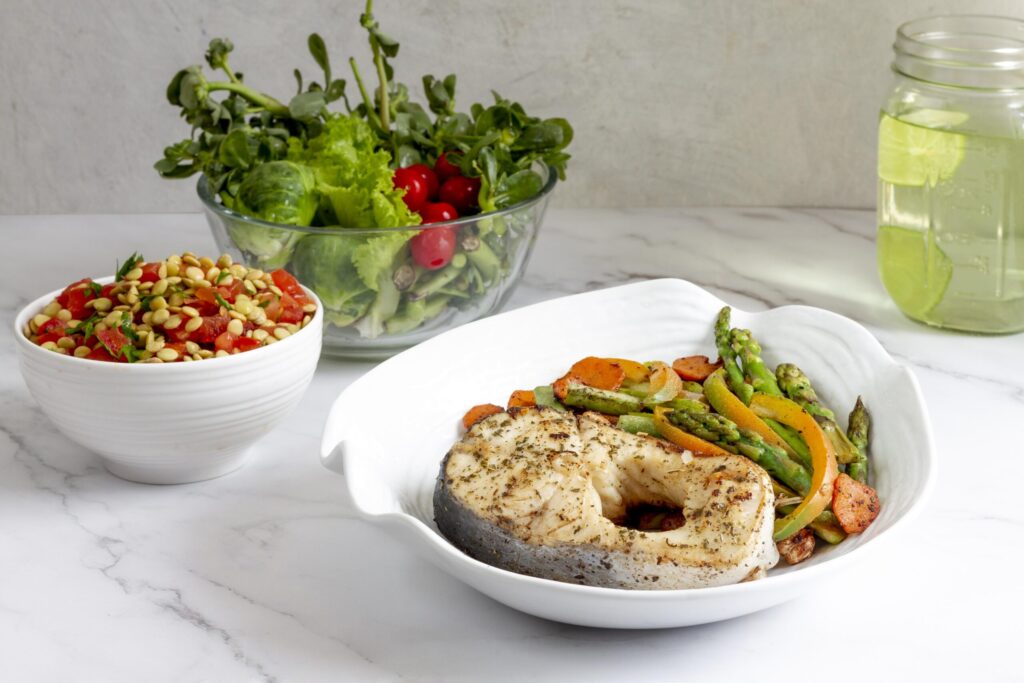
Introduction
High-protein diets are everywhere but here’s the problem:
Most of them rely heavily on high-carbon foods like red meat and processed protein sources.
If you care about:
- Your health
- Your energy levels
- And the planet
You need a smarter approach.
Welcome to the low-carbon kitchen—where you build high-protein meals that fuel your body without increasing your environmental footprint.
What Is a Low-Carbon Kitchen?
A low-carbon kitchen focuses on foods that:
- Require fewer resources to produce
- Generate lower greenhouse gas emissions
- Still deliver strong nutritional value
This doesn’t mean giving up protein it means choosing better protein sources.
Why Traditional High-Protein Diets Fall Short
Let’s be blunt.
Heavy reliance on:
- Red meat
- Processed protein products
Leads to:
- Higher carbon footprint
- Poor long-term sustainability
- Often unnecessary overconsumption
You don’t need excessive animal protein to stay fit.
Best Low-Carbon High-Protein Foods
1. Plant-Based Protein Sources
These are your foundation.
- Lentils
- Chickpeas
- Beans
- Tofu and tempeh
✔ High protein
✔ Low environmental impact
2. Sustainable Animal Proteins
If you include animal foods, choose smarter:
- Eggs
- Chicken (in moderation)
- Yogurt
✔ Lower carbon footprint than red meat
3. Whole Grains with Protein
Don’t ignore these:
- Quinoa
- Oats
- Brown rice
✔ Adds both energy and protein
4. Nuts and Seeds
- Almonds
- Chia seeds
- Flaxseeds
✔ Healthy fats + protein boost
3 Easy Low-Carbon High-Protein Meals
1. Lentil Power Bowl
- Cooked lentils
- Vegetables
- Olive oil dressing
✔ High protein + fiber
2. Chickpea Salad Wrap
- Chickpeas
- Whole grain wrap
- Fresh veggies
✔ Quick and filling
3. Egg & Veggie Scramble
- Eggs
- Spinach
- Tomatoes
✔ Balanced and simple
How to Build a Low-Carbon Meal (Simple Formula)
Follow this structure:
- Protein base (lentils, eggs, tofu)
- Fiber source (vegetables, whole grains)
- Healthy fats (nuts, seeds, oils)
That’s it. Keep it simple.
Benefits of a Low-Carbon High-Protein Diet
- Ignoring app insights
- Tracking inconsistently
- Over-relying without understanding your body
- Not adjusting routines based on data
AI is a tool not a replacement for awareness.
Common Mistakes to Avoid
- Relying only on protein powders
- Overconsuming meat
- Ignoring plant-based options
- Making meals overly complicated
Keep it practical.
Conclusion: Eat Smart, Not Extreme
You don’t need extreme diets to get results.
A low-carbon kitchen gives you:
- Enough protein
- Better health
- Lower environmental impact
It’s a win across the board.
FAQs
Get a customized report tailored for you
Just fill in the form & our Health Consultant will get in touch with you
❌ Please fill all required fields.
✅ Thank you for submitting the form Our Health Consultant will reach out to you. Please respond to that.